Affiliate disclosure: this article may contain affiliate links. If you make a purchase through these links, we may earn a small commission at no extra cost to you.
Few animals look like they were painted on purpose quite the way parrots do. A parrot bird can be playful, loud, affectionate, mischievous, dramatic, observant, and unexpectedly tender, often all before breakfast. Macaws take that same fascination and turn the volume up. They are among the largest, boldest, and most visually unforgettable parrots in the world, with long tails, powerful beaks, and color that seems almost impossible under ordinary daylight.
But the first thing future owners need to understand is simple and important: macaws are parrots, but not all parrots are macaws. “Parrot” is the broader family term. “Macaw” refers to a subgroup within that larger parrot family, known for large size, long tails, intense social needs, and dramatic tropical appearance. That distinction matters because many people fall in love with the look of a macaw bird without realizing that the care questions around parrots in general and macaws in particular are not always the same.
The beauty of parrots pulls people in, but their intelligence, emotion, and need for real daily engagement are what define life with them.
What Parrots Are
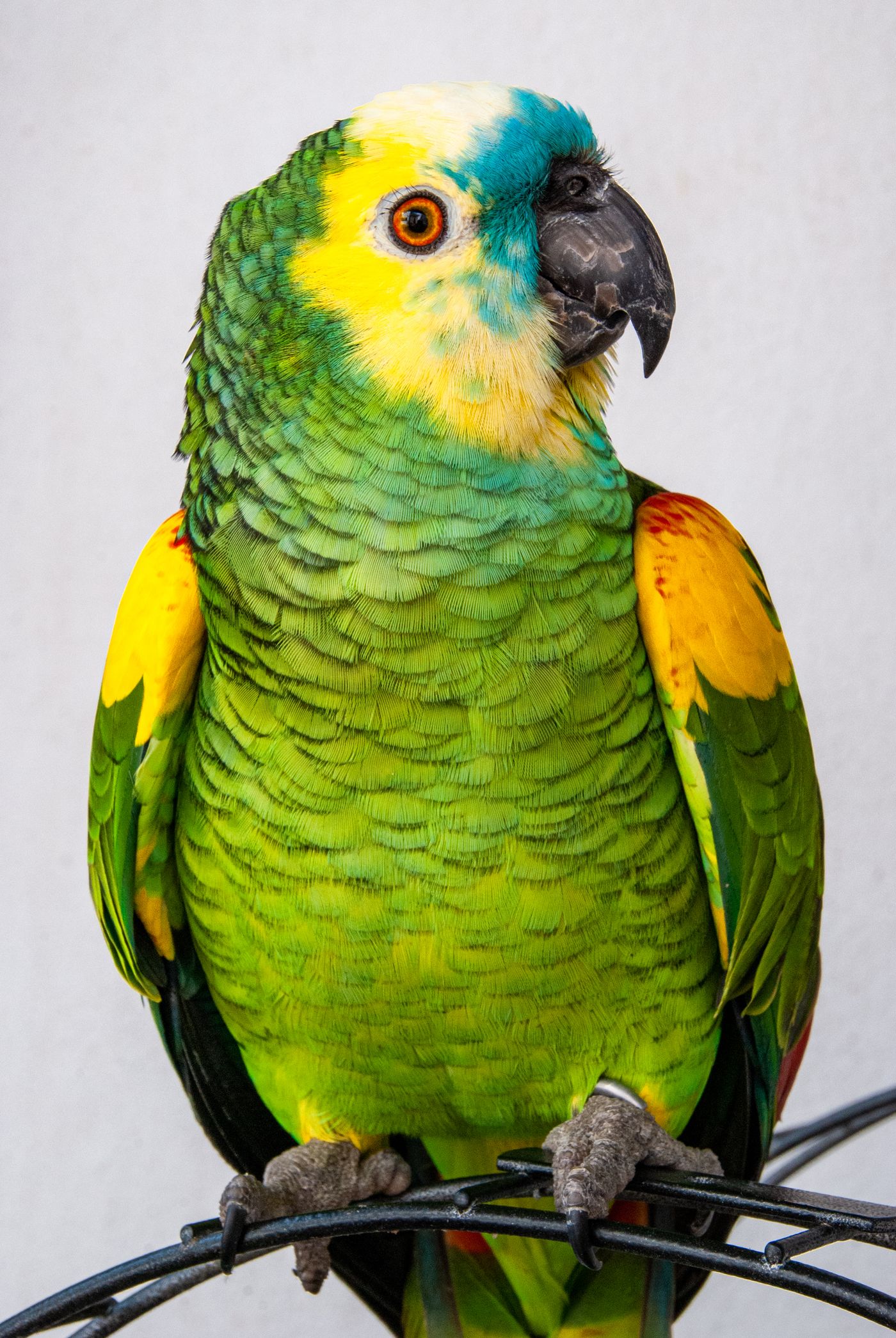
Parrots are birds in the order Psittaciformes, a group known for curved beaks, strong feet built for climbing and grasping, high intelligence, and unusually social behavior. They range from tiny budgerigars to massive macaws, from soft-grey African greys to bold white cockatoos and green Amazons. What unites parrots is not just appearance but a particular kind of mind. These are birds that manipulate objects, memorize routines, explore cause and effect, and communicate with more complexity than many people expect from a pet.
In practical terms, the broad parrot category includes the species most people picture when they think of talking parrots, pet parrots, tropical birds, or smart birds. It also includes birds with very different care profiles. A budgie, a conure, and a hyacinth macaw are all parrots, but they do not create the same sound level, expense, bite force, or long-term commitment. That is why beginner-friendly guides need to explain the broad parrot topic first and then narrow into macaw care more specifically.
What Macaws Are
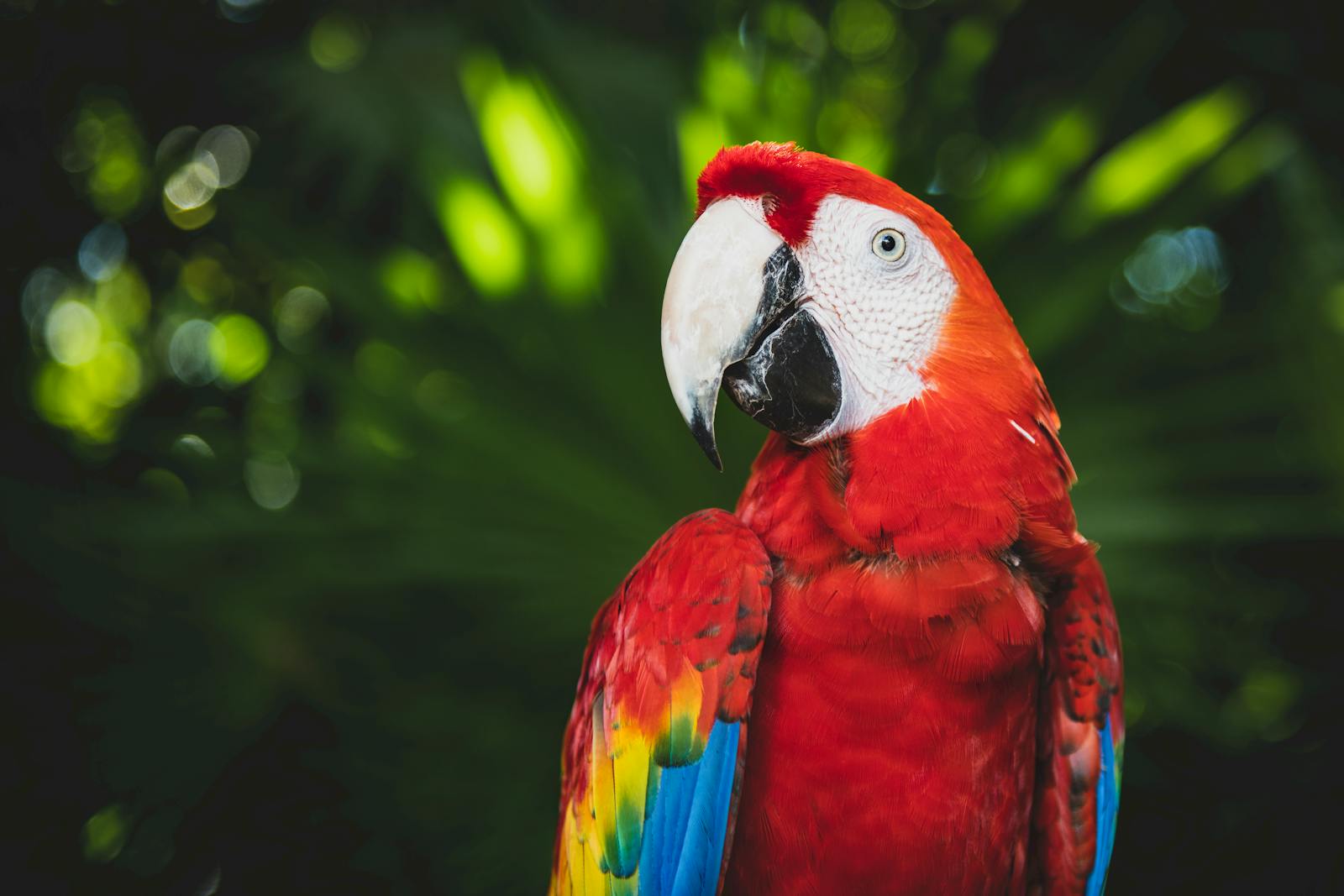
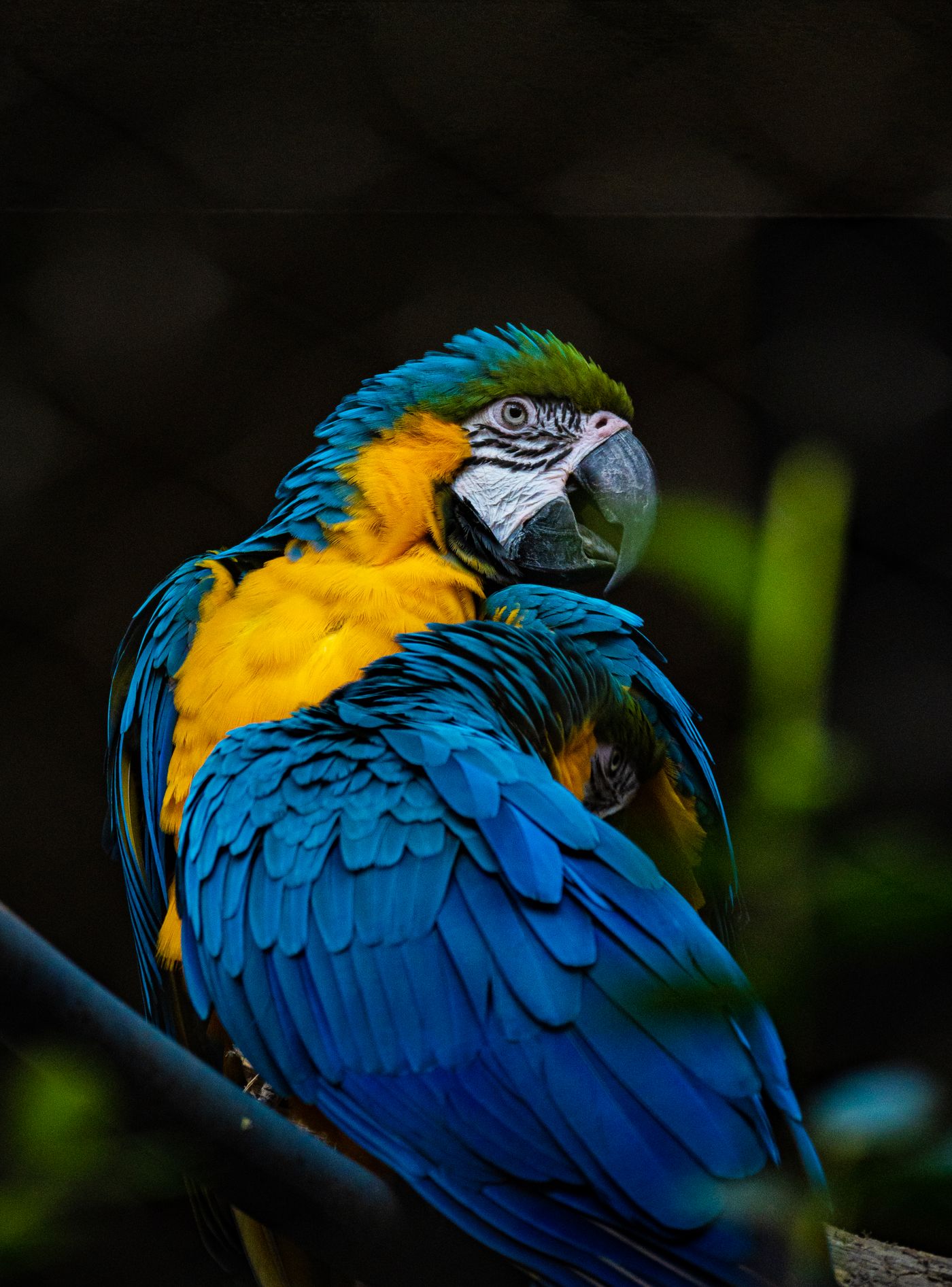
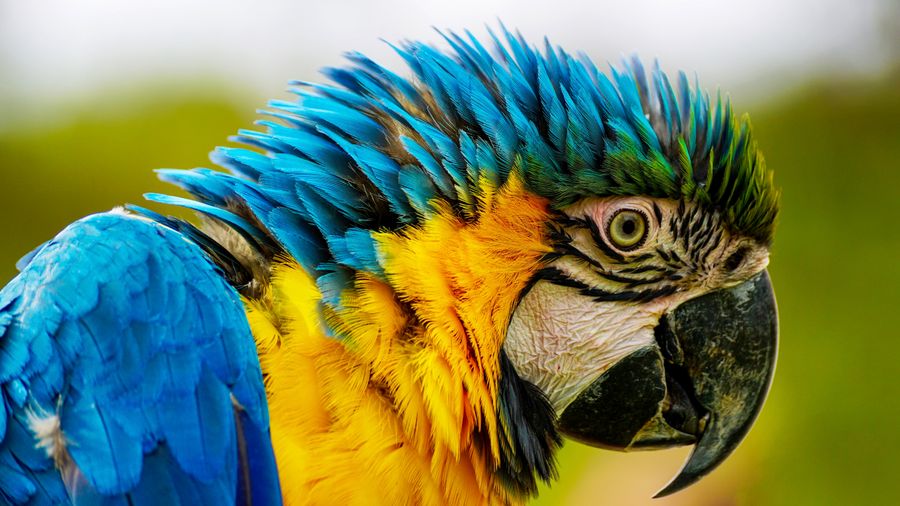
Macaws are a subgroup within the parrot family, mostly native to Central and South America. They are famous for their long tails, large bodies, commanding beaks, and spectacular color combinations. When people search for a macaw pet, they are usually picturing the classic tropical image: a blue-and-yellow macaw bird turning its head in sharp light, a scarlet macaw in rainforest reds and golds, or the almost electric blue presence of a hyacinth macaw.
Their native regions include rainforest canopies, woodland edges, palm-rich wetlands, and other warm habitats where flight, foraging, social calling, and constant environmental awareness are part of everyday survival. Beyond appearance, macaws are known for intensity. They tend to be deeply social, physically active, curious, expressive, and harder to ignore than many smaller parrots. That can be magical in the right home. It can also be exhausting in the wrong one. A macaw does not disappear quietly into the background. Even when content, a macaw often moves, watches, manipulates, vocalizes, and participates. They are the kind of birds that change the atmosphere of a room just by being fully awake inside it.
Clear beginner rule: every macaw is a parrot, but many parrots are not macaws. If you compare parrot types, macaws sit on the larger, louder, stronger, and often more demanding end of the spectrum.
Macaws and Parrots in Full Color
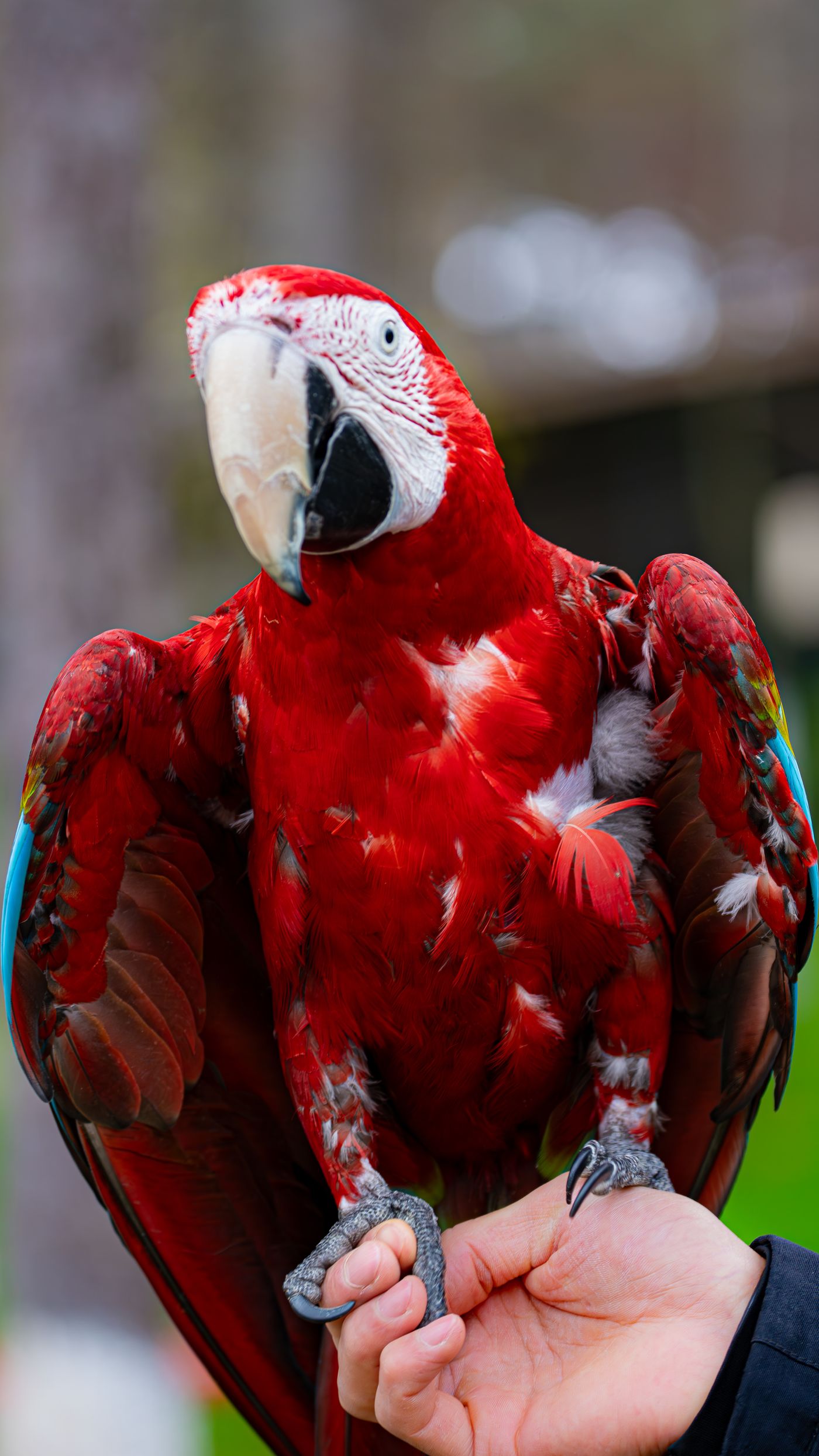
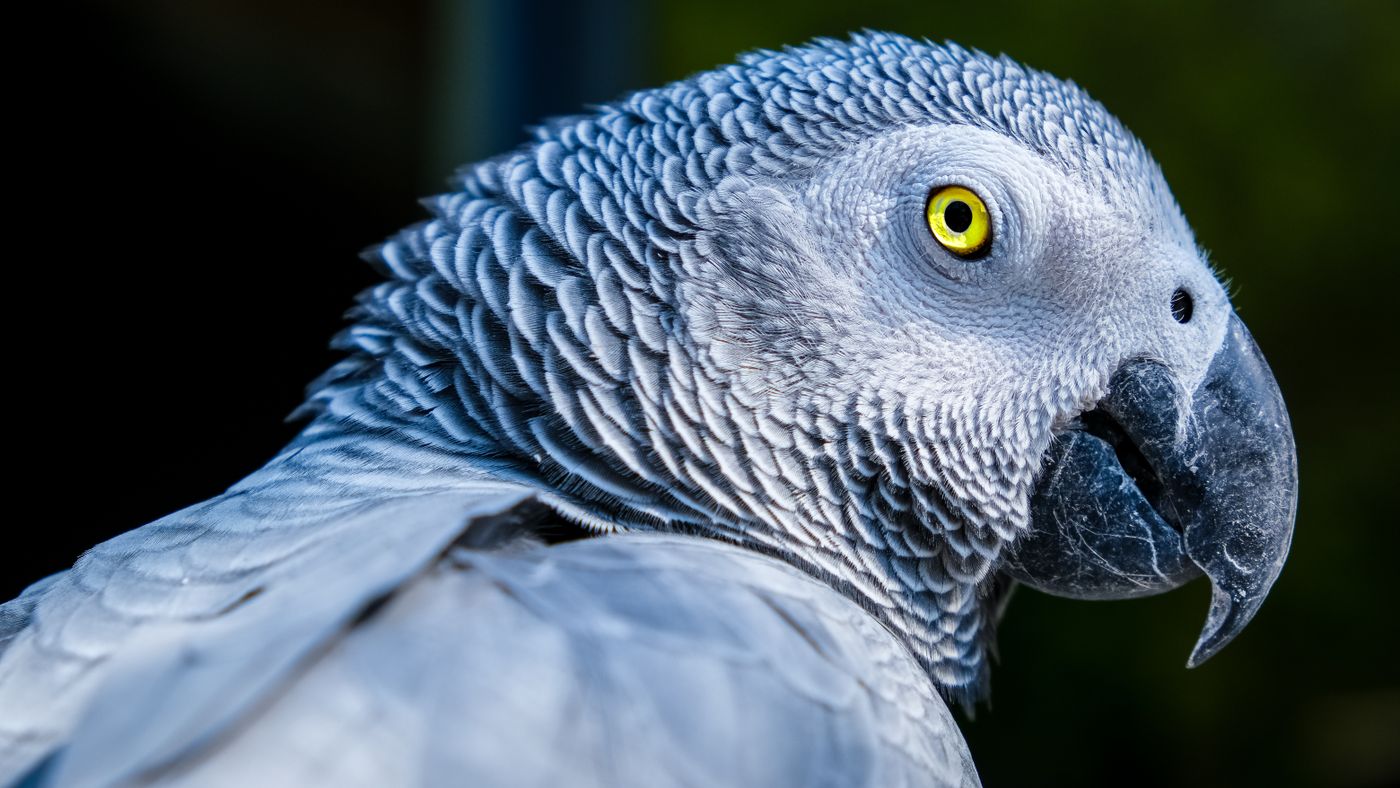
Parrots vs. Macaws Explained in Plain English
If you imagine parrots as a very large family tree, macaws are one dramatic branch of it. A parrot can be small, medium, or large. A macaw is usually large or very large, with a long tail and a stronger physical presence than many other pet parrots. Parrots as a category include a huge range of talking birds, colorful parrots, and tropical birds. Macaws are the showstopping giants people often picture first, even though they represent only one part of the broader group.
This is also why the beginner question “Are parrots good pets?” is not the same as “Are macaws good pets?” Some parrots can be manageable for engaged beginners. Many macaws are better suited to experienced owners who understand bird behavior, bird bonding, noise tolerance, home setup, and long-term responsibility. The difference is not only about size. It is about intensity. Macaws chew harder, need more room, can be much louder, cost more to acquire and maintain, and may emotionally depend on their human relationships in a very visible way.
Parrots in General
The parrot family includes many sizes and temperaments, from more accessible companion species like budgies and cockatiels to highly intelligent, high-maintenance birds like African greys and cockatoos.
Macaws Specifically
Macaws are among the largest and most dramatic-looking parrots, with exceptional beak strength, strong social needs, louder voices, and higher space and cost demands.
History and Cultural Fascination
Human fascination with parrots is ancient. Across tropical regions, parrots were noticed early because they are hard to miss. They gather in groups, flash bright color in sunlight, make contact calls across distance, and display the kind of awareness that feels almost conversational. In indigenous cultures across the Americas, parrot feathers were valued for ceremonial beauty and symbolic meaning. In later trade periods, parrots became objects of prestige, curiosity, and sometimes status, particularly when wealthy households wanted animals that looked rare and spoke in startlingly human ways.
Over time, parrots entered art, literature, pirate mythology, travel writing, and domestic fantasy. They became shorthand for the exotic, the intelligent, the tropical, and the theatrical. Macaws, especially scarlet and blue-and-yellow macaws, fit that cultural imagination perfectly. Their colors look unreal enough to feel symbolic. Yet behind the romantic image is an actual animal with specific daily needs, and that gap between fantasy and reality still shapes ownership mistakes today.
If you enjoy unusual animal stories, our article on Exotic Pets in 2026 explores why people are drawn to remarkable species and where that fascination can become unrealistic. In some ways, parrots sit right at the center of that tension: they are genuinely extraordinary, but they are not decorative objects.
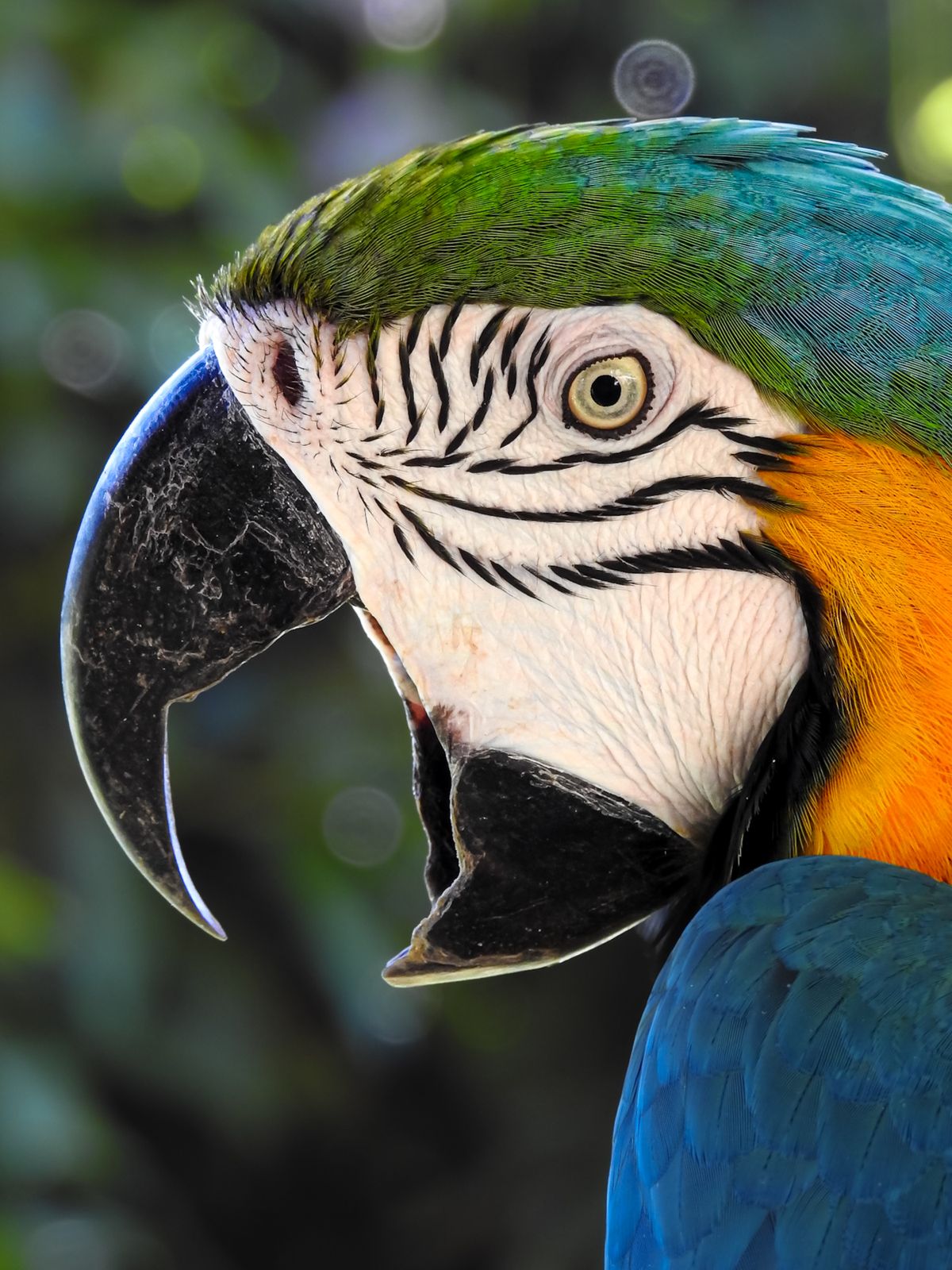
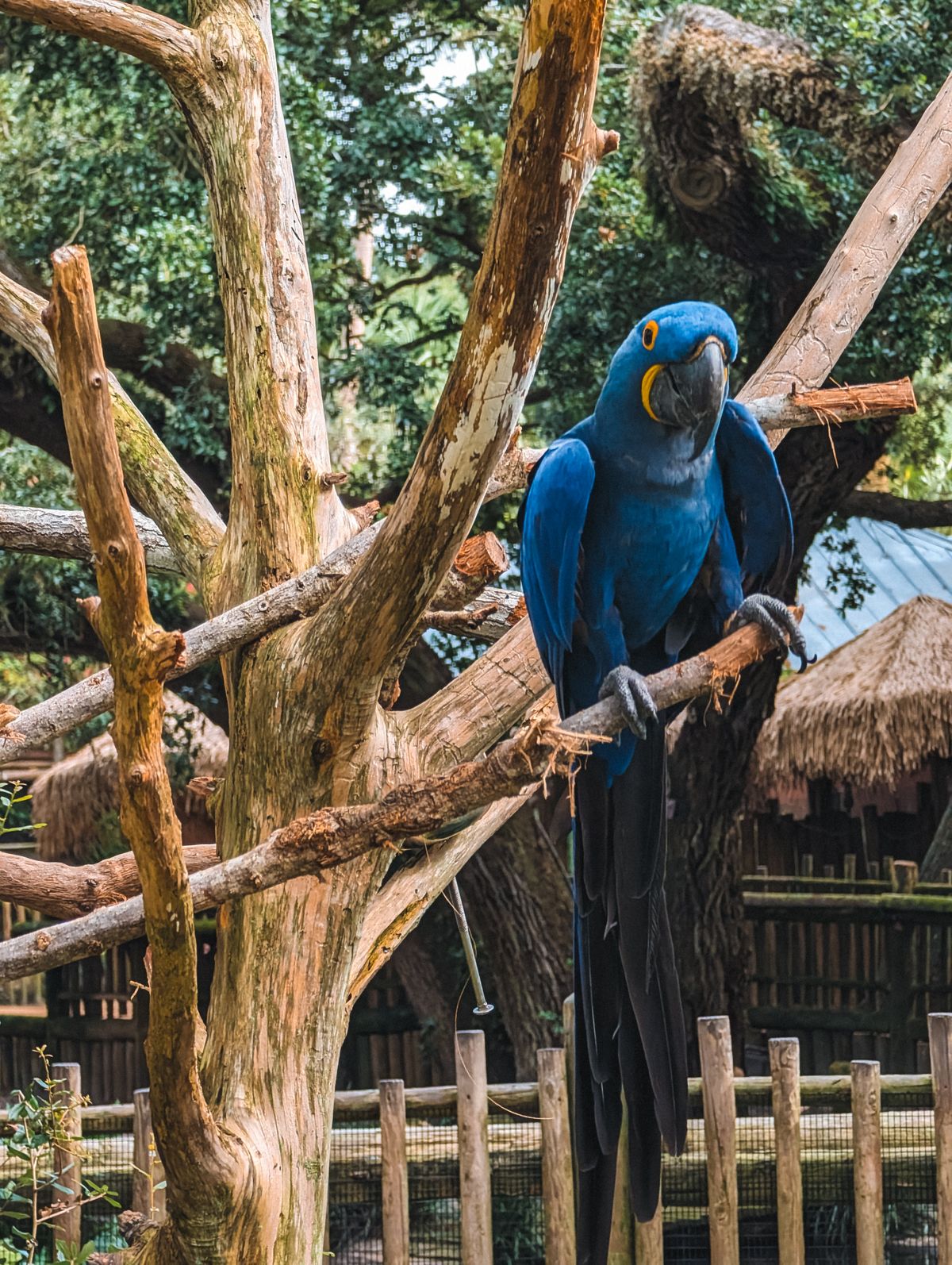
Why Macaws Are So Visually Striking
People often ask why macaw bird colors seem almost brighter than real life. Part of the answer is biology. Feather structure, pigment distribution, and the scale of the bird all work together to create impact. But part of the answer is emotional too. Macaws combine huge curves, clean lines, bare facial skin, high-contrast beaks, and long tails in a way that feels designed for attention. They are not merely colorful parrots. They are dramatic compositions.
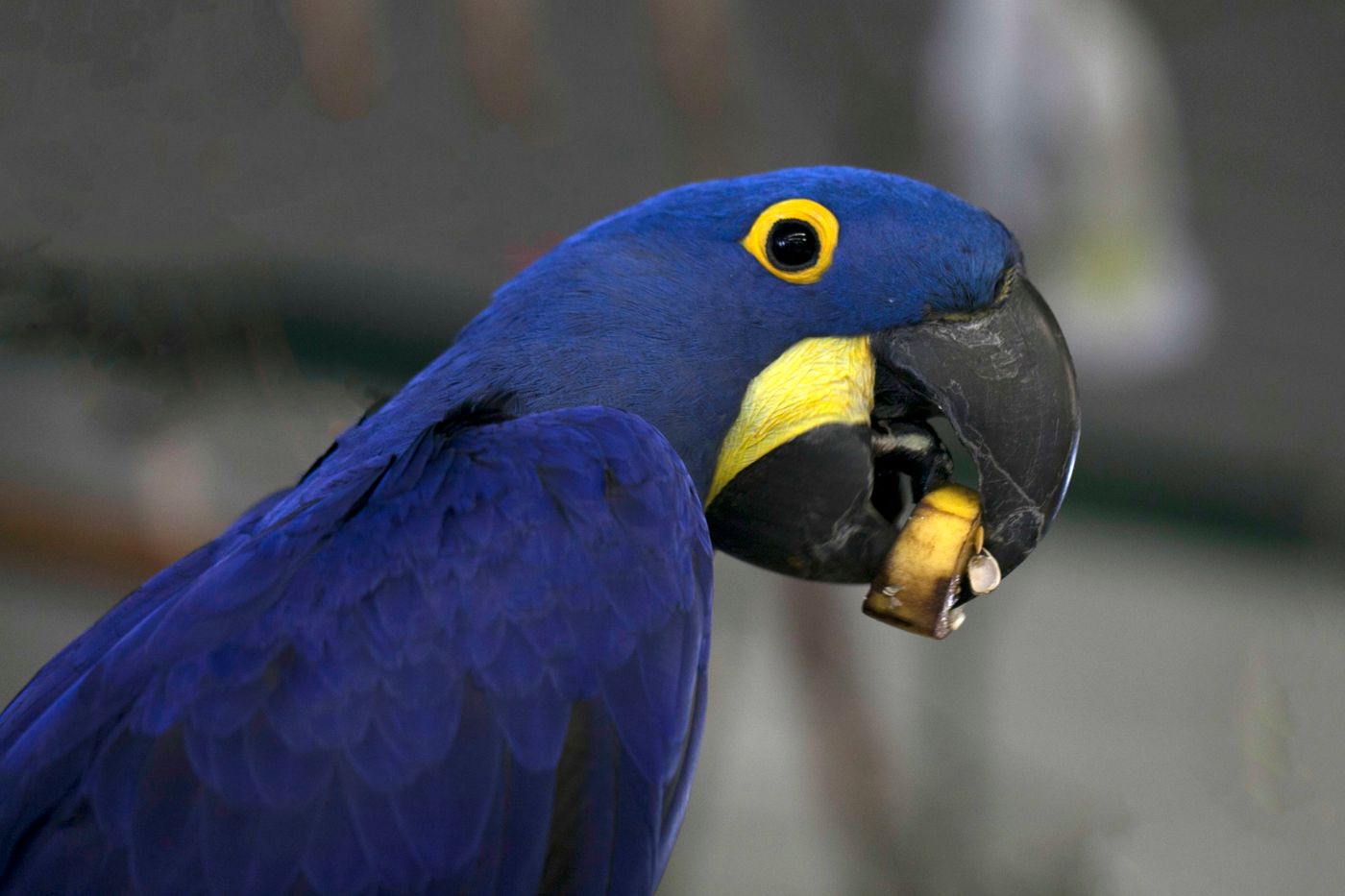
Scarlet macaws combine red, yellow, and blue in a way that looks almost ceremonial. Blue-and-yellow macaws create one of the clearest contrast palettes in the bird world. Hyacinth macaws go even further by focusing attention on a single saturated blue with bold facial highlights and immense beak size. Even people who know nothing about parrot types can usually sense that macaws belong to a category of their own.
Intelligence, Problem Solving, and Why Parrots Talk
Bird intelligence is one of the biggest reasons parrots captivate people long after the first impression of color fades. Parrots and macaws learn patterns quickly, remember routines, read human attention, and often manipulate objects with purposeful curiosity. They may explore latches, test which sounds get a reaction, invent games, and form expectations around the daily schedule. This is why so many owners describe them as funny, clever, stubborn, or almost too aware.
Talking behavior is part mimicry, part social learning, and part timing. Parrots do not understand language exactly the way humans do, but many can associate words, tone, and context with routines or outcomes. They repeat sounds because parrots are highly vocal social birds. In the wild, calls maintain contact, coordinate flock movement, and reinforce relationships. In the home, human words become part of that sound world. Some parrots become famous talking parrots. Others stay quieter or mimic whistles, phones, microwaves, laughter, or household phrases rather than carrying long verbal exchanges.
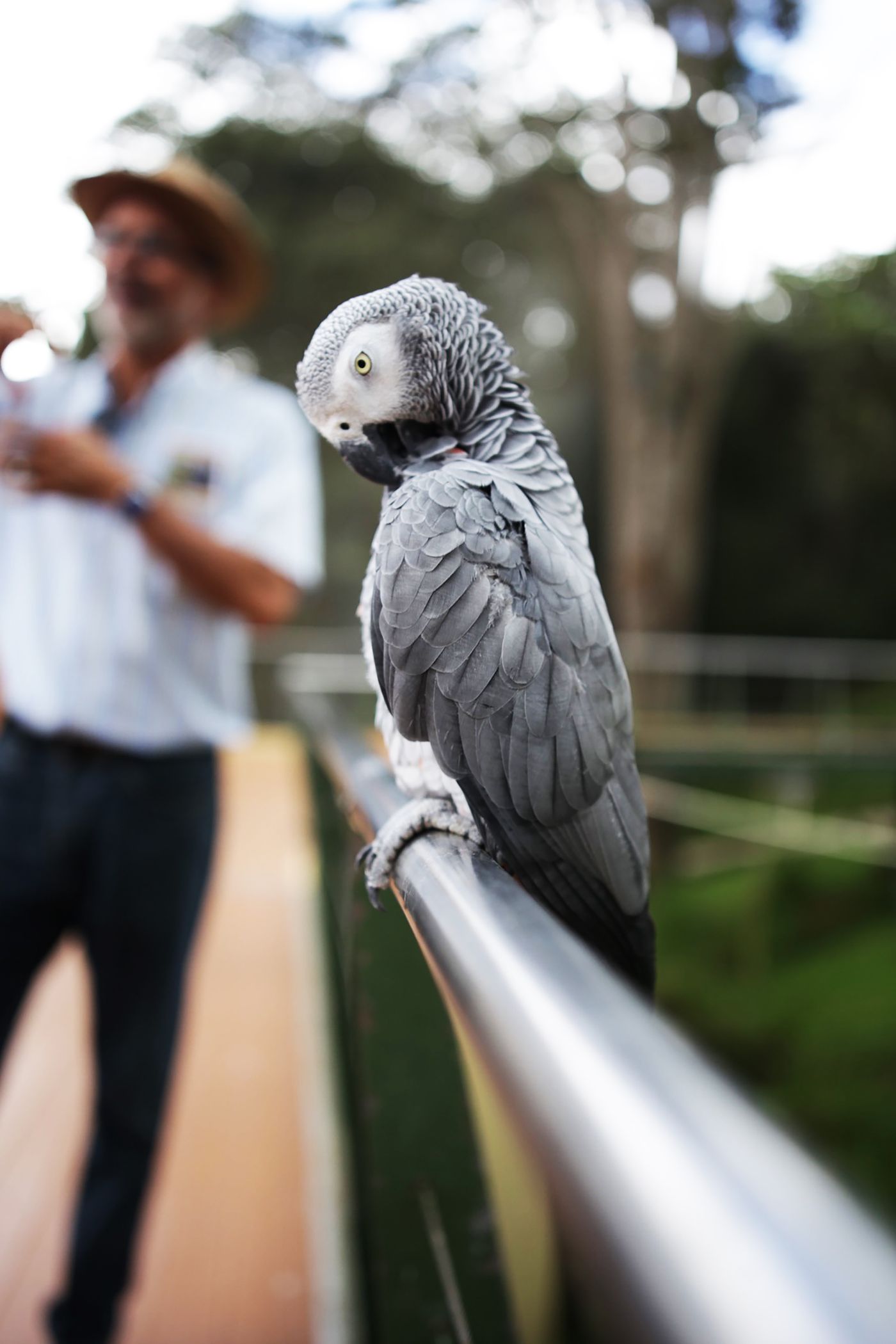
African greys are often celebrated for parrot intelligence and speech clarity, but macaws can also learn words, phrases, emotional tones, and routines. Their voices are often rougher and louder, and many are remembered more for expressive personality than for polished speech. If you liked our piece on How to Know If Your Pet Is Happy, the same general principle applies here too: intelligent animals communicate constantly, but not always in the form people expect.
Important reality: a talking parrot is not automatically an easy parrot. Smart birds often need more mental stimulation, stronger routines, and more patient handling than quieter, less cognitively demanding pets.
Emotional Intelligence and Bonding Behavior
One reason parrots that bond with humans can feel so special is that the relationship often looks active, not passive. Many parrots greet their person, track movement around the room, lean in for head scratches, protest departures, and show obvious preference for certain voices or routines. Macaw personality often amplifies these dynamics. A bonded macaw may seek touch, play, eye contact, vocal exchange, and physical closeness with an intensity that surprises first-time owners.
This emotional richness is beautiful, but it can also become complicated. A parrot that forms an exclusive bond with one human may resist other family members, become jealous, or show frustration if routines change. Some birds become clingy when there is too little independence training or too little environmental enrichment. Others become reactive when hormonal seasons, household stress, or boredom interrupt their sense of predictability. Parrots and emotions go together, but those emotions need thoughtful structure.
Social Behavior, Vocalization, and Why Macaws Are So Loud
Parrots are social birds, and social birds are noisy by design. In the wild, screaming or calling is not bad behavior. It is communication. Birds announce location, greet flockmates, react to excitement, alert to change, and reinforce group connection through sound. A household parrot still carries those instincts. That is why parrots scream, why they vocalize at sunrise or late afternoon, and why they may call intensely when their favorite person leaves the room.
Macaws are especially known for volume because they are large parrots with powerful lungs, big personalities, and strong flock instincts. When people ask why macaws are so loud, the answer is usually some combination of normal contact calling, excitement, alarm, boredom, overstimulation, or learned attention-seeking. A macaw pet can absolutely be affectionate and trainable, but a macaw will almost never be a naturally quiet bird. Expect vocal presence. Build routines around it. Do not bring one home hoping the sound issue will somehow solve itself.
Chewing is another behavior people underestimate. Parrot beak strength is not a cute detail. It is central to how these birds explore, process texture, reduce boredom, and maintain their beak through use. A bird without safe chew options may target furniture, trim, cages, remotes, or anything else within reach. This is why bird toys and enrichment are not optional extras. They are part of behavior management, emotional regulation, and physical health.
Behavior key: parrots need attention, but they also need routines that teach them how to be independent, forage, climb, chew safely, and settle without constant emotional escalation.
The Most Famous Macaw Species
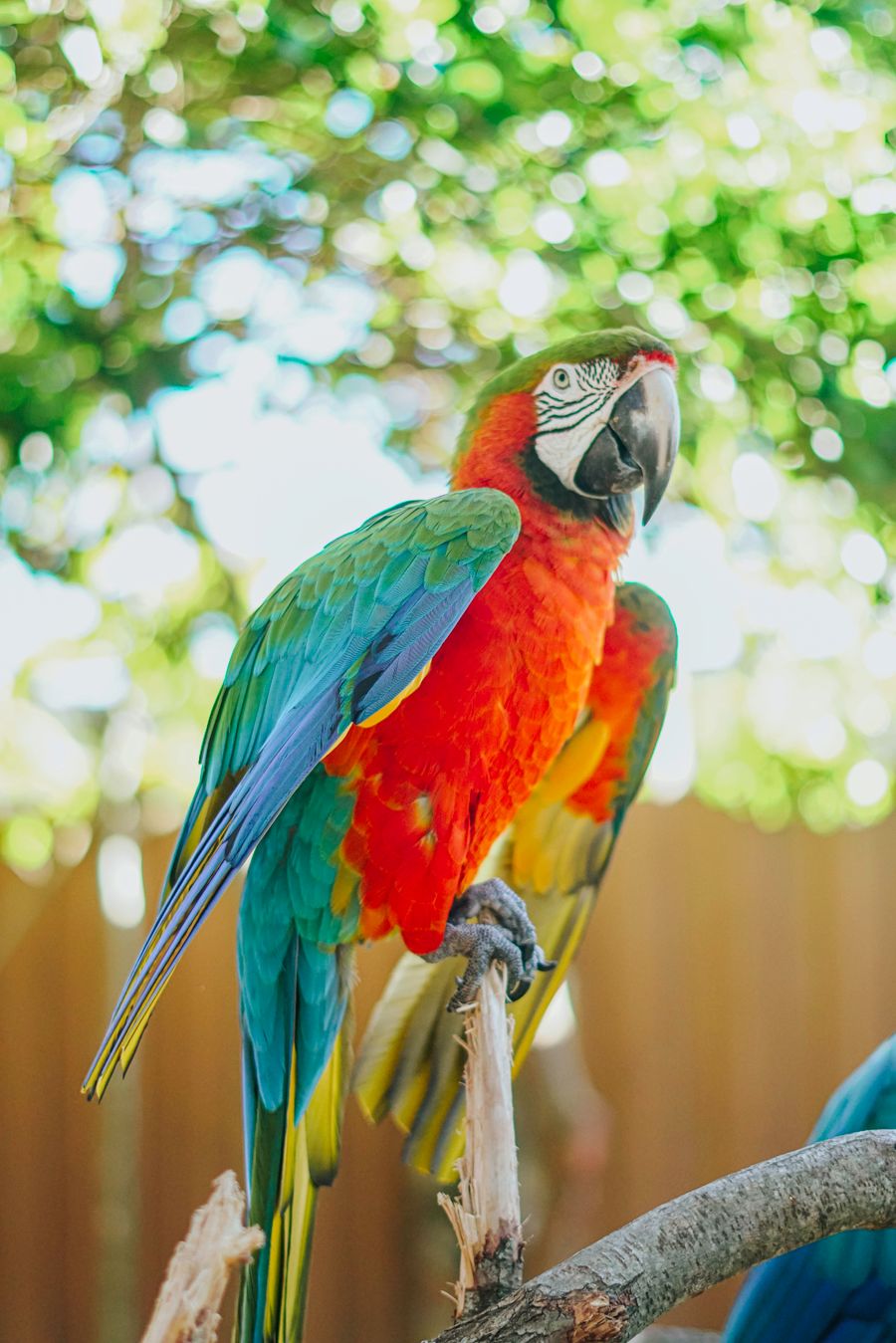
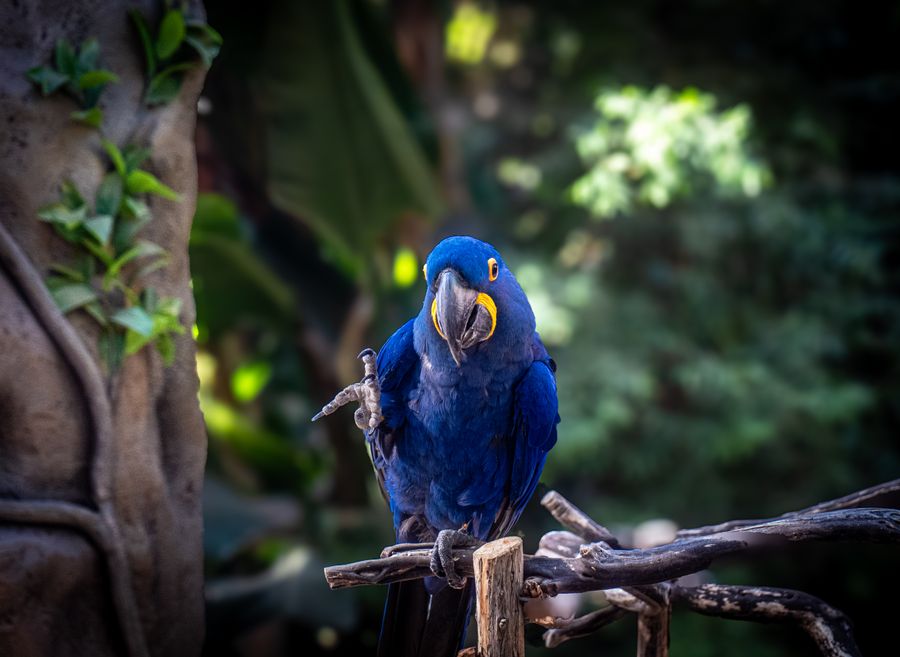
The best-known types of macaws tend to be famous for different reasons. Scarlet macaws are often the iconic rainforest image, combining brilliant red with yellow and blue wings. Blue-and-yellow macaws are beloved for their open, bright expression and classic tropical palette. Green-winged macaws resemble scarlets but often appear deeper and heavier in build. Hyacinth macaws, the largest of all parrots commonly discussed in pet conversations, are coveted for their extraordinary cobalt feathers and almost mythic presence.
There are also smaller macaw species and several less commonly seen varieties, but even the famous four above are enough to show how much variety exists within the macaw world itself. Some are more commonly available than others. Some are much more expensive. Some are more likely to be seen in sanctuaries than in average family homes because long-term care can become overwhelming.
Other Popular Pet Parrots Beyond Macaws
If you love parrots but are unsure whether macaws fit your life, it helps to compare them with other common pet parrots. African greys are famous for cognitive depth and speech. Amazons are charismatic, social, and often boldly vocal. Cockatoos can be incredibly affectionate but may be among the most emotionally demanding parrots in captivity. Conures offer clownish energy in a smaller frame, though many are still noisy. Cockatiels and budgies are often better starting points for households that want bird companionship without stepping straight into the heaviest level of intensity.
This is one reason articles like our Bird Care Essentials remain valuable even if you are focused on macaw care. The fundamentals of sleep, safety, daily routine, cage setup, and enrichment matter across the board. Species differences change the scale, not the principle.
Food and Nutrition Basics
A healthy parrot diet is broader and more balanced than many beginners imagine. Parrots generally do best on a foundation built around quality pellets, supported by fresh vegetables, some fruit, safe grains or legumes when appropriate, and carefully limited seeds or nuts depending on species and individual needs. Seeds are not evil, but a poor all-seed diet can create serious nutritional imbalances over time. Feather quality, energy, body condition, immune resilience, and even behavior can be affected by food choices.
Macaw food often includes more attention to caloric density and appropriate nuts than smaller species need, but the same overall principle holds: variety matters. Feeding should nourish the body and stimulate the mind. Offering chopped vegetables in different textures, hiding approved foods inside foraging toys, rotating produce colors, and making mealtime part of bird enrichment can reduce boredom while improving nutrition. If you want a broader food framework, Choosing the Right Food for Your Pet is a useful internal companion piece because the mindset of reading labels and avoiding simplistic food myths applies here too.
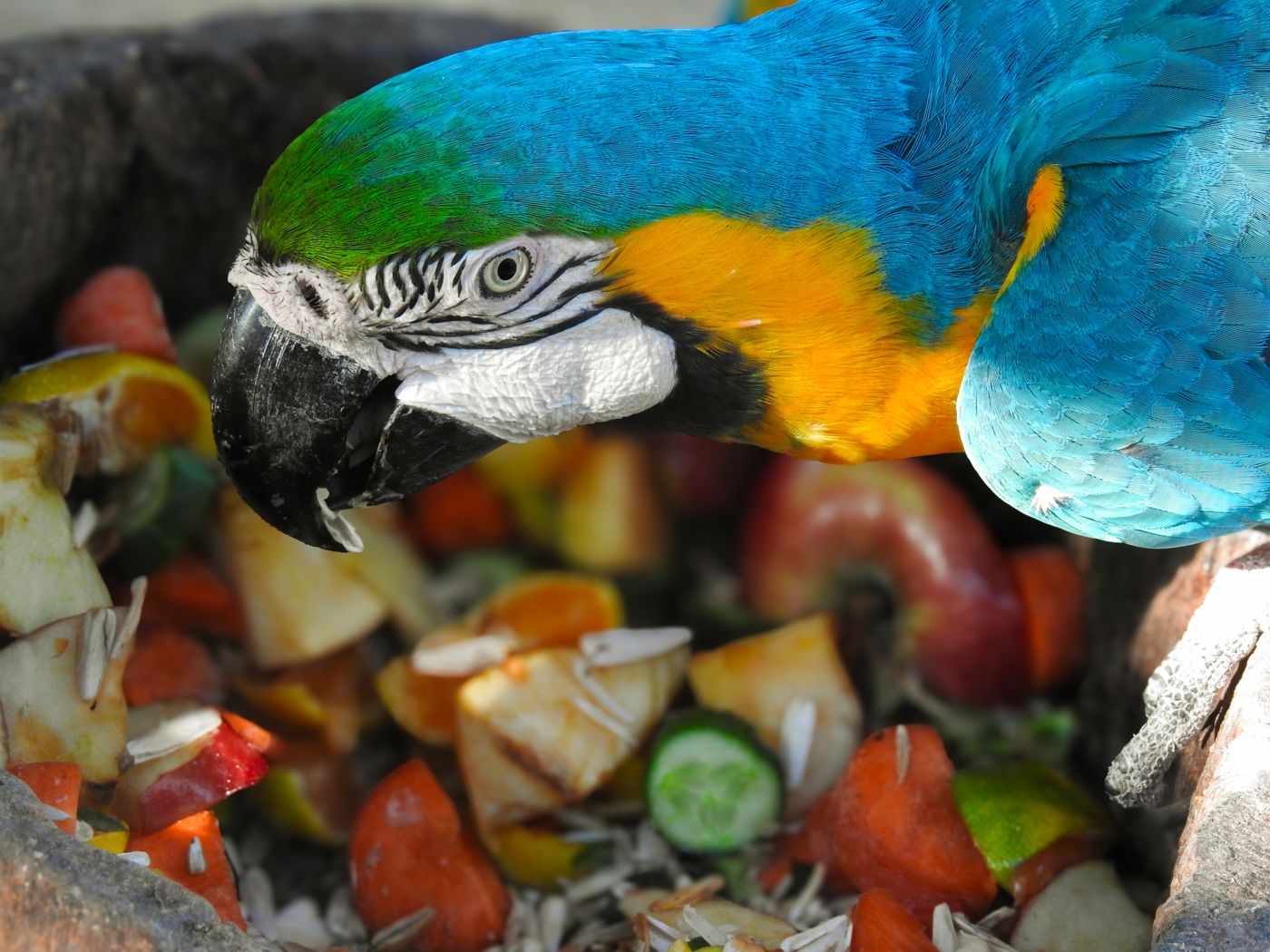
What Future Owners Should Remember About Diet
Fruits and vegetables should not be an afterthought. Pellets should not be assumed good just because they say “premium.” Seeds should not be the entire menu. Fresh water should be changed consistently. Food bowls should be kept clean. And because parrots are smart, feeding is often part of the relationship. If a bird only receives exciting foods when begging or screaming, the human may accidentally train difficult behavior around meals.
Habitat, Space, Exercise, and Enrichment
Cage and environment needs are another place where people underestimate reality. A cage is not a bedroom to visit briefly. For parrots, it is part bedroom, part gym, part dining room, part safe retreat, and part boredom risk if poorly designed. A macaw bird especially needs significant horizontal and vertical space, heavy-duty bars, robust perches, safe climbing opportunities, and a setup that can survive determined beak work. Smaller parrots also need thoughtful environments, but large macaws move the scale into another category entirely.
Out-of-cage time matters just as much. Exercise and out-of-cage time help with muscle use, coordination, confidence, and emotional regulation. A bird that spends nearly all day confined is more likely to scream, feather damage, pace, or become chronically frustrated. Enrichment should include chew toys, foraging puzzles, climbing structures, texture variation, training sessions, supervised exploration, and quiet rest periods. Intelligent birds need enrichment and routine in the same way athletic dogs need exercise and structure. If you liked Keeping Your Dog Active, the principle transfers surprisingly well: underused minds create their own projects.
Environment Basics
Stable light cycles, enough sleep, predictable household flow, fresh air without dangerous drafts, and safe distance from fumes all matter more than decorative cage accessories.
Enrichment Basics
Rotate parrot toys, encourage foraging, provide chew materials, practice short training sessions, and give birds something to do besides waiting for human attention.
Grooming, Feather Care, and Daily Maintenance
Feather care basics are not glamorous, but they matter. Clean environments, balanced nutrition, appropriate humidity, safe bathing opportunities, and reduced stress all influence plumage quality. Birds may enjoy misting, shallow bathing, or gentle routines that help them maintain feathers without disrupting the natural oils and structure they depend on. Over-preening, barbering, or feather damage can sometimes point to medical issues, stress, poor diet, or chronic boredom.
Nails, beak wear, perch quality, droppings, appetite, and body language also belong in daily observation. Parrots often hide illness until they are significantly unwell. Owners who learn their bird’s normal energy, posture, stool pattern, appetite, and voice changes are in a much stronger position to spot trouble early.
Lifespan and the Long-Term Commitment
One of the most sobering parts of parrot ownership is lifespan. Many parrots live for decades. Some larger species, especially macaws, can live long enough to outlast jobs, homes, routines, and sometimes even original caretakers. A shorter-lived pet fits inside one chapter of life. A long-living pet bird can span multiple chapters, moves, relationships, economic shifts, and health changes. That is one reason “I’ve always wanted a parrot” is not enough on its own.
Parrot lifespan varies by species, genetics, diet, healthcare, stress, and quality of management. Smaller parrots may live a more modest number of years, while larger parrots can require an ownership plan that looks more like a family commitment than a hobby. Macaw lifespan is a serious subject, not a fun trivia answer. If the idea of setting up lifelong contingency planning feels overwhelming, that feeling is useful information.
Long-term reality: bringing home a macaw or other large parrot can mean accepting decades of financial, emotional, and logistical responsibility. Many birds lose homes not because they were bad pets, but because their humans underestimated time.
Health Considerations, Veterinary Needs, and Recurring Costs
Veterinary care for parrots is specialized. Not every neighborhood clinic sees birds, and not every bird issue is simple once symptoms appear. Wellness exams, emergency funds, transport planning, and access to an avian vet all matter before the bird comes home, not after the first crisis. Respiratory issues, injuries, nutritional problems, overgrown nails, feather problems, digestive concerns, infections, and behavioral decline may all require experienced avian guidance.
Recurring costs are also broader than food and toys. You may need larger cages, replacement perches, heavier toy hardware, travel carriers, air-quality precautions, cleaning supplies, and specialized boarding or pet-sitting help. This is why “How much does a parrot cost?” has two different answers: the purchase price, and the real cost of keeping the bird healthy and psychologically functional over time.
How Much Does a Parrot or Macaw Cost?
Price depends on species, age, location, source, tameness, scarcity, and whether you adopt or buy from a breeder or specialty seller. Adoption can sometimes lower the upfront cost and, more importantly, help a bird in need of a stable home. But adoption is not automatically cheaper in the long run if the bird arrives with behavioral challenges, neglected health issues, or a need for immediate upgrades in housing and care. A breeder or specialty seller may charge much more upfront, especially for macaws, but that price still represents only the opening chapter of the expense story.
Macaws can be expensive because they are large, long-lived, resource-heavy birds that require more housing material, more durable enrichment, more food, and often more specialized handling. Hyacinth macaws are especially known for extremely high prices because of rarity and demand. But even smaller parrots can become expensive long-term when you factor in quality nutrition, recurring toy replacement, emergency vet funds, and the reality that intelligent birds can destroy enrichment items quickly because that is exactly what they are supposed to do.
Typical Upfront Price Ranges
These ballpark ranges vary widely by region and source, but they give future owners a reality check. Smaller common parrots may be adopted for roughly $50 to $300 or purchased for a few hundred dollars. Mid-range companion parrots like cockatiels, conures, and some Amazons often range from a few hundred dollars to a few thousand. African greys frequently sit in the higher end of that spectrum. Macaws commonly start in the low thousands and can move far higher depending on species, age, tameness, and availability. A hyacinth macaw may cost dramatically more than other macaws. Adoption fees are usually lower, but setup and medical catch-up costs can erase the difference quickly.
Practical Cost Snapshot
- Adoption vs. breeder: adoption may reduce upfront cost, but medical or behavior catch-up care can still be substantial.
- Cage and setup: often one of the biggest early expenses, especially for macaws that need large, durable enclosures and strong hardware.
- Food expenses: ongoing costs include pellets, fresh produce, nuts where appropriate, and safe treats for training or foraging.
- Toy and enrichment costs: parrots that chew, shred, and solve puzzles need a regular budget for replacement and rotation.
- Vet expenses: annual exams, diagnostics, emergency care, and avian specialists can raise the real cost fast.
- Monthly care range: highly variable by species, size, location, and care level, but large parrots almost never stay “cheap” pets.
On a practical level, many owners find that a smaller parrot may cost roughly $30 to $150 per month once food, toys, cleaning, and routine care are averaged out. Larger parrots and macaws can easily move into the $150 to $500+ monthly range, and sometimes beyond that, especially when fresh produce, nut-heavy diets, large toy turnover, and avian vet planning are built in honestly. Food costs alone may be modest for a small parrot but can rise into a meaningful monthly line item for a large macaw. Toy and enrichment costs can also become a steady expense because strong beaks turn “durable” into “temporary” very quickly. Routine vet expenses may feel manageable some months and then spike sharply when diagnostics, injury care, or specialist visits enter the picture.
A realistic budget mindset is healthier than chasing one perfect number. Ask not only “How much does a macaw cost?” but also “Can I comfortably afford quality care for years?” That is the question that protects both owner and bird.
Why Parrots Can Be Amazing Companions
When the fit is right, parrots can be unforgettable companions. They can be funny in a way that feels improvisational, affectionate in a way that feels chosen, and observant in a way that makes everyday life more vivid. They learn your habits. They react to your voice. They often create rituals that become part of the emotional fabric of the home. This is why people who truly connect with parrots tend to speak about them with unusual devotion. The bond can feel more interactive than many people expect from a bird.
For experienced owners, macaws in particular can feel almost larger than the category of pet. They are intelligent, highly social tropical birds with presence, humor, and a strong sense of participation. That combination can make them deeply rewarding for people who genuinely enjoy training, observation, routine-building, and long daily interaction.
Why Parrots Can Also Be Difficult Pets
The same traits that make parrots special also make them difficult. They are loud, messy, often sensitive, and not emotionally low-maintenance. They need attention, but not constant dependence. They need stimulation, but not chaos. They need routine, but not rigid punishment. They chew, vocalize, drop food, shred toys, react strongly to environmental changes, and may become frustrated if their minds are underused. This is why parrots are not “easy” pets even when they are loving.
Macaws multiply those challenges. Best parrots for experienced owners often include larger species precisely because experience helps people interpret noise, manage boundaries, prevent overbonding, offer enrichment, and maintain long-term consistency. Families can absolutely love parrots, but parrots for families still require adults who can lead the care plan with discipline and realism.
Are Parrots or Macaws Right for Beginners?
In general, many smaller parrots can work for educated, committed beginners. Macaws are usually a harder recommendation. That does not mean nobody should start there, but it does mean the margin for error is smaller. If you are brand new to birds, it can be wiser to spend time learning with broader bird care, volunteering with a rescue, speaking to avian professionals, or comparing species before committing to one of the most intense parrot experiences available.
If you are still drawn to unusual animals after hearing the hard parts, that is not necessarily a red flag. It may just mean you appreciate complexity. Our Truth About Toucans article makes a similar point from a different angle: beauty should invite respect, not impulse buying.
Common Beginner Mistakes
The most common mistake is choosing based on fantasy rather than fit. People see a macaw personality clip, hear a talking parrot, or fall in love with bright feathers and assume love will make the logistics easy. It will not. Another major mistake is underestimating noise, bite force, chewing, and routine needs. A third is treating the cage as the whole answer instead of one part of a complete environment.
Poor diet, too little sleep, inconsistent rules, overhandling, forcing interaction, skipping avian vet planning, and failing to budget for bird toys and enrichment are also common. Some owners accidentally reward screaming by reacting dramatically every time. Others expect a bird to entertain itself with one mirror and two toys for months. Boredom causes problems because intelligent birds do not stop needing projects simply because the household is busy.
Fun Facts and Curiosities
Macaws can use their beaks almost like a third limb when climbing. Many parrots use one foot to hold food with impressive dexterity. Some parrots become masters of household sound effects rather than speech. Hyacinth macaws are famous not only for beauty but also for incredible jaw strength. Macaw bird colors are so distinctive that even people with little bird knowledge can often identify them instantly. And although parrots are associated with tropical drama, many of their most fascinating daily moments are quiet ones: careful object study, routine anticipation, sleepy social preening, or that unmistakable side-eye they give when they clearly know something interesting is happening.
Practical Checklist for Future Owners
- Research the specific species, not just parrots in general.
- Confirm access to an avian vet before bringing any bird home.
- Budget for cage setup, food, toy rotation, and emergency care.
- Plan for daily out-of-cage time and real bird enrichment.
- Expect noise, chewing, mess, and long-term commitment.
- Protect the home from fumes, unsafe cookware, toxic plants, and escape risks.
- Think about who can care for the bird during travel, illness, or life changes.
- Be honest about whether you want a decorative pet or an interactive, demanding companion. Parrots are the second one.
See These Brilliant Birds in Motion
This video gives the page a more vivid companion piece, so readers can move from the guide into real parrot energy, color, movement, and personality.
More Reading
These guides pair well with this topic:
Final Thoughts
Parrots and macaws fascinate people for good reason. They are colorful, brilliant, funny, emotional, loud, memorable, and sometimes almost unbelievable to share space with. But the right way to love them is not to reduce them to tropical decor or talking tricks. It is to understand the animal in full. That means recognizing that macaws are a subgroup inside the broader parrot world, that not all parrots are macaws, and that the biggest, most dazzling birds often ask the most from the humans who keep them.
If that deeper reality still draws you in, that is actually a promising sign. It means you are responding not only to color, but to responsibility, intelligence, and relationship. And that is the mindset these remarkable birds deserve.