Few dog types have managed to feel classy, clever, cuddly, athletic, and internet-famous all at once quite like the Poodle and its many descendants. The classic Poodle dog has been admired for generations for its intelligence, elegance, and astonishing versatility. Then came the doodle dog boom: Goldendoodles, Labradoodles, Cockapoos, Bernedoodles, Cavapoos, Sheepadoodles, Maltipoos, mini Goldendoodles, and an ever-growing list of Poodle mix dogs designed to blend a curly coat with a family-friendly image.
What makes this family of dogs so magnetic is that the appeal is not only visual. Poodles are among the smartest dog breeds in the world, and that brainpower often shows up in doodle dog breeds too. They learn patterns quickly, read household energy well, and often form deep emotional routines with their people. At the same time, their popularity has created confusion. People search for a mini doodle dog because they want something adorable and low shedding. They search for a Goldendoodle mini because they want a sweet family dog in a smaller body. They search for whether doodles are hypoallergenic because they hope they have found the perfect coat. But real life is more nuanced than the marketing.
Poodles and doodles can be wonderful family companions, but they do best when people fall in love with the responsibility too, not just the look.
Why People Are So Drawn to Poodles and Doodles
A Poodle breed tends to create a very particular first impression: alert eyes, proud posture, a curly coat, and a feeling that a lot is happening behind that face. Even people who think they are not “Poodle people” often warm up quickly after meeting a well-raised one. Beneath the polished image is a dog that loves engagement. Poodles are usually observant, highly trainable, and deeply connected to routines. They notice who is home, who is sad, what the usual walking hour is, and whether the treat drawer opened with unusual urgency.
Doodle dogs build on that foundation with broader visual variety and a softer public image. Many families feel that a doodle dog looks approachable, child-friendly, and cheerful. A mini doodle dog can seem especially appealing to households in apartments or suburban homes that want a dog small enough to manage but still playful enough to feel interactive. That emotional pull is real, but it needs to be paired with practical knowledge about grooming, exercise, training, and cost.
Poodles and Doodles in Motion


History of the Poodle
The Poodle history is older and more practical than many people expect. Although the breed is strongly associated with France, much of its early development is tied to water dogs in Central Europe, especially Germany. In fact, the word “Poodle” is commonly linked to the German word pudeln, meaning to splash in water. That detail matters because it points to the breed’s true roots: the Poodle was not created to pose. It was created to work.
Early Poodles were talented water retrievers, especially useful for bringing back ducks and other game birds. Their dense curly coat helped protect them from cold water, and their athletic build gave them speed, stamina, and agility. The stylish grooming clips people recognize today began as practical field trims. Hunters shaved parts of the coat to improve movement in water while leaving more hair around vital joints and the chest for warmth and protection. Over time, a working trim became a visual signature, and then a cultural symbol.
France later embraced the breed so thoroughly that many people now assume the Poodle comes from France alone. French culture helped turn the Poodle into an icon of refinement and intelligence, but the working roots remained. That mix of usefulness and polish is still the heart of the breed. The Poodle dog is one of the clearest examples of a breed that became glamorous without losing the traits that made it valuable in the first place.

Why Poodles Were Originally Bred
Poodles were originally bred to retrieve waterfowl and to work closely with people. That second part matters just as much as the first. A retrieving dog needs not only physical ability but also a willingness to take cues, remember tasks, and operate as a partner. That is one reason the Poodle temperament often feels so tuned in to human households today. The breed was shaped for teamwork, not isolation.
In practical terms, this working background helps explain many modern traits. Poodles often enjoy having a “job,” even if that job is simply learning cues, carrying a toy, playing scent games, or joining active family routines. When their minds are underused, they may become noisy, anxious, or overly inventive. If you have read our piece on Keeping Your Dog Active, the same principle applies here: a smart dog with no outlet will create one.
Key idea: the Poodle breed was shaped by purpose. Even companion Poodles still tend to thrive when life includes routine, training, and interaction.
Why Poodles Are Considered One of the Smartest Dog Breeds
When people say Poodles are one of the smartest dog breeds, they usually mean several things at once. Poodles learn commands quickly, notice patterns fast, and often adapt well to changing routines. But intelligence in dogs is not only about obedience. It is also about problem solving, social awareness, emotional sensitivity, and memory. This is where Poodles stand out.
Many Poodles seem to read a room. They pick up on tension, excitement, sadness, or anticipation with unusual speed. That can make them feel almost uncannily observant. It also means they are rarely ideal for owners who want a dog that simply drifts through the day. They notice inconsistency. They notice loopholes. They notice when training rules apply on weekdays but not weekends.
This brainpower is part of why doodle dog breeds became so attractive. Families hoped that mixing a Poodle with a Golden Retriever, Labrador, Cocker Spaniel, Cavalier King Charles Spaniel, Bernese Mountain Dog, Maltese, or Old English Sheepdog might produce a dog with emotional warmth plus strong trainability. Sometimes that happens beautifully. But intelligence can also mean more stimulation needs, more sensitivity, and more need for consistent handling.
The Emotional Side: Family Bond, Sensitivity, and Daily Life
One of the most charming parts of the Poodle temperament is emotional attentiveness. Many Poodles and Poodle mix dogs do not just want to be near people; they want to be involved with them. They follow household rhythms closely, enjoy family time, and often settle best when they understand what the day feels like. That is why so many owners describe them as intuitive, affectionate, or emotionally smart.
This quality can make them excellent companions for engaged families, couples, and individuals who truly want an interactive dog. It can also make separation harder. Some doodles become very people-focused and do poorly with long stretches of boredom or isolation. A family-friendly doodle breed is not automatically a low-maintenance doodle breed. In many homes, the exact traits people love most, softness, attachment, expressiveness, are the same traits that require structure and patient training.
Important reality: emotional sensitivity is a strength, but it also means harsh handling, chaotic routines, and long lonely days can hit these dogs harder than owners expect.
Standard, Miniature, and Toy Poodles: What Changes Between Them?
The three classic sizes, Standard, Miniature, and Toy Poodles, share the same basic breed identity, but daily life can feel very different across them. Standard Poodles are the largest and often retain the strongest athletic, outdoorsy, and working-dog feel. They can be elegant but surprisingly sporty. Many Standards are wonderful for active households that want a bigger, highly trainable dog with a refined look.
Miniature Poodles sit in a sweet middle zone. They are often lively, bright, adaptable, and easier to fit into smaller homes. A Miniature Poodle can make a strong choice for people who want the Poodle brain and coat without the space demands of a larger dog. Toy Poodles are the smallest and can be deeply affectionate, portable, and apartment-friendly, but they may also need extra care around fragility, cold, dental health, and overhandling — a vet-recommended dog dental kit makes this part of care much easier to stay consistent with.
Standard Poodle
Best for owners who want an active, athletic, highly trainable dog with more physical presence. Standard Poodles often need the most exercise and can excel in advanced training, sports, and family activity.
Miniature and Toy Poodles
Better suited to smaller homes, travel-heavy lifestyles, and people looking for a more compact companion, though grooming, training, and emotional needs still remain significant.
These size differences also shaped modern doodle dog breeds. A mini Goldendoodle, mini Labradoodle, Cavapoo, or Maltipoo exists because people wanted the curly-coat appeal in a smaller package. But “mini” does not always mean simple. Smaller doodles can be just as active, vocal, or grooming-intensive as larger ones, sometimes more so.
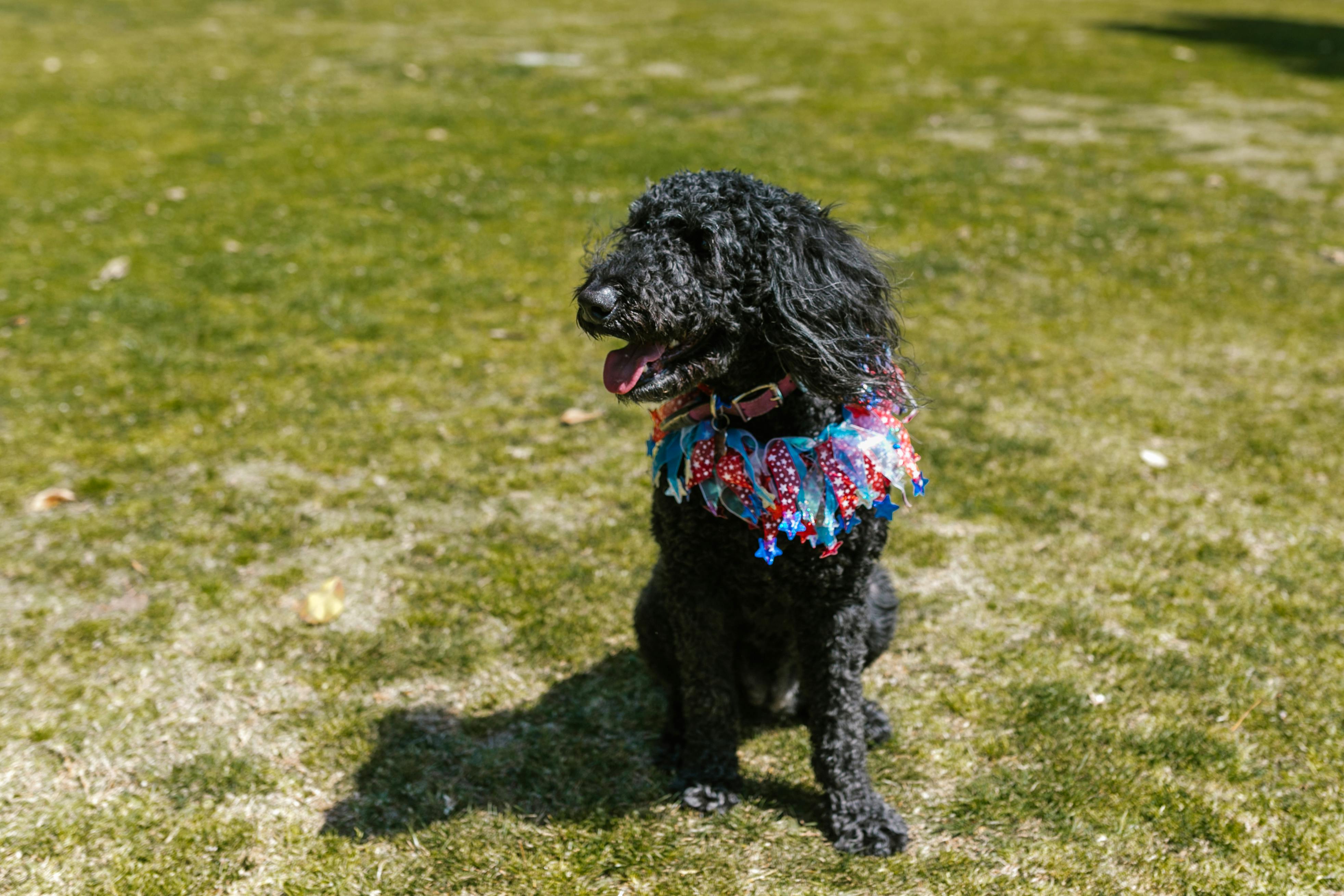


Temperament and Behavior: What Daily Life Really Feels Like
A well-bred, well-socialized Poodle or doodle dog is often lively, people-oriented, observant, and eager to engage. They usually do best when daily life includes some combination of movement, skill practice, affection, and calm structure. Without that, some become hyper, barky, clingy, or mischievous. Others become underconfident and reactive because they are feeling the world too intensely.
Training matters here. These are not dogs you want to leave to chance until adolescence. Start early with handling, grooming tolerance, polite greetings, alone-time practice, and reward-based learning. If you want support on that front, Training Your Dog with Love pairs especially well with smart, sensitive breeds that respond better to clarity than correction.
Grooming and Coat Facts
Poodle grooming and doodle grooming are major topics for a reason. The same curly or wavy coat that attracts families can mat quickly if neglected. Mats are not only cosmetic. They can trap moisture, pull on skin, hide irritation, and make routine brushing stressful. A common mistake owners make is assuming a low shedding coat means low maintenance. In reality, coat care often shifts from vacuuming hair off the couch to paying for professional grooming and learning a real home routine. A good slicker brush designed for curly coats — like this professional slicker brush for Poodles and Doodles — makes a real difference in keeping mats from forming between grooming appointments.
Most Poodles need regular brushing, combing, bathing, ear checks, nail trims, and scheduled haircuts. Many doodle dogs need even more coat management because mixed coats can be inconsistent. Some have soft loose curls, some have dense fleece-like coats, and some have coats that tangle more than expected because they inherit traits from both sides unevenly.
Basic Poodle and Doodle Grooming Routine
- Brush several times per week, and daily during coat transitions or if the coat is dense.
- Use a comb after brushing to catch hidden mats close to the skin.
- Schedule professional grooming every 4 to 8 weeks depending on coat type and owner skill.
- Keep ears clean and dry because floppy-eared doodles may trap moisture more easily.
- Trim nails consistently and stay on top of dental care, especially in smaller Poodles and mini doodles.
Skin and coat quality are also influenced by diet, allergies, moisture, and general health. If you are dealing with itchy skin or repeated coat discomfort, our guide on Why Is My Dog So Itchy? is a helpful internal next step because many curly-coated dogs do experience skin sensitivity.
What Poodles Generally Eat and How Nutrition Changes by Size
Poodle food needs depend on size, age, activity level, and individual health. Standard Poodles generally eat more volume and may benefit from larger-breed feeding strategies, while Toy and Miniature Poodles often need smaller, more calorie-conscious portions and closer attention to dental-friendly food texture. Doodle dog food needs are similarly variable because a mini Goldendoodle does not eat like a full-size Bernedoodle.
Good nutrition supports coat quality, skin comfort, energy, muscle tone, and weight control. Overfeeding is a real issue, especially with dogs that are charming, expressive, and easy to indulge. Some Poodles and doodles also seem prone to food sensitivities, digestive upset, or itchy-skin patterns, so consistent observation matters. A quality food does not need to be trendy, but it should be appropriate for life stage, size, and veterinary guidance.
If you want a broader food foundation, Choosing the Right Food for Your Pet gives a useful overview of labels, quality thinking, and smarter feeding decisions. For some households, especially those also caring for cats, our Cat Nutrition Basics article can help build the same balanced mindset across the whole home.
Exercise and Mental Stimulation Needs
A Poodle or doodle dog usually needs more than a quick walk around the block. Exercise is important, but so is mental stimulation. Training games, scent work, puzzle feeders, retrieval play, shaping exercises, and structured social experiences often make a noticeable difference in behavior. A tired body helps. A satisfied brain helps even more.
Standard Poodles and larger doodles often need a stronger physical outlet. Smaller Poodle mix dogs may require less mileage but still need active engagement. The phrase “best doodle for families” depends a lot on whether that family wants a cheerful dog to grow with them or a decorative dog that mostly entertains itself. These breeds lean heavily toward the first category.
Health Considerations in Poodles and Poodle Mix Dogs
No breed or mix is magically protected from health issues, and that includes doodles. Purebred Poodles can face concerns such as ear issues, dental problems in smaller sizes, some orthopedic conditions, eye problems, skin concerns, and size-related challenges. Doodle dogs may inherit concerns from both sides of the family line. A Labradoodle can carry Labrador tendencies plus Poodle tendencies. A Bernedoodle can bring large-breed joint concerns into the picture along with coat maintenance challenges. A Cavapoo may be small and sweet but can still require careful monitoring for heart, dental, and patella-related issues depending on lineage.
This is why ethical breeding, realistic rescue disclosure, and regular veterinary care matter so much. The “designer dog” label can mislead people into assuming a mix is automatically healthier. Sometimes mixed genetics can reduce certain risks, but it is never a guarantee. Health depends on careful breeding decisions, honest screening, environment, and ongoing care.

Average Costs of Owning a Poodle or Doodle Dog
One of the biggest reasons families feel shocked after bringing home a Poodle or doodle is cost. People often focus on the purchase price first, but the recurring budget is where reality sets in. How much does a Poodle cost? How much does a doodle cost? The answer depends on breeder quality, rescue fees, region, pedigree, size, and whether the dog has already been vaccinated, screened, or altered.
In broad terms, adopting a Poodle or Poodle mix from a rescue may cost a few hundred dollars, while purchasing from a breeder can range from roughly $1,000 to $4,000 or more. Some highly sought-after designer doodles, especially mini Goldendoodles and other small doodle breeds, can climb beyond that range in expensive markets. A poodle puppy price from a carefully health-tested line may also be substantial, especially for popular colors, smaller sizes, or show-quality lineage.
Typical Upfront Price Range
- Adoption: often lower cost, but availability and history vary.
- Poodles from breeders: commonly moderate to high depending on size, pedigree, and testing.
- Doodle dog price: often high because demand, branding, and smaller-size popularity push prices upward.
- Mini Goldendoodle and mini doodles: frequently cost more because compact family-friendly designer dogs are in heavy demand.
Recurring Monthly Costs
- Food: varies by size, but quality diets should be part of the regular budget.
- Grooming: often one of the biggest ongoing expenses for curly coat dogs.
- Vet care: routine exams, preventives, vaccines, and surprise illness costs add up.
- Training and supplies: classes, grooming tools, crates, beds, leashes, and enrichment items matter.
On a monthly basis, many owners spend roughly $100 to $350 or more, and that can climb fast for larger dogs, medically complex dogs, or households using professional grooming frequently. Poodle grooming cost and doodle grooming cost are often the budget categories owners underestimate most. A dog with a dense fleece coat that needs clipping every six weeks can become expensive quickly, especially if you are also paying for quality food and regular preventive care.
Budget truth: costs vary by breeder, location, health status, size, and grooming frequency. The cutest dog in the litter is not automatically the most financially manageable dog for your household.
Vet Visits and Ongoing Care Costs
Routine veterinary visits should cover vaccines, parasite prevention, dental checks, weight monitoring, and follow-up whenever something changes in appetite, skin, stool, movement, or energy. Smaller Poodles may face dental expenses sooner. Larger doodles may create higher medication and procedure costs simply because large dogs cost more to treat. Skin issues, ear issues, digestive sensitivity, and joint discomfort are common reasons curly-coated family dogs end up needing additional appointments.
Think in terms of layers: yearly routine care, occasional urgent visits, and long-term maintenance. That is the real ownership picture. If you already know your household likes smart, people-focused dogs but you are still comparing care complexity, our Golden Retriever Care Guide is a useful contrast because Goldens are also family favorites, but their coat and breed profile create a different type of maintenance.
The Rise of Doodle Dogs
The doodle wave took off because it promised a dream combination: the Poodle brain and coat mixed with the friendliness or softness of another beloved breed. A Labradoodle appealed to people who loved Labradors but wanted a curlier coat. A Goldendoodle spoke to families drawn to Golden Retriever warmth but curious about lower shedding dog breeds. A Cockapoo offered a cheerful smaller companion. A Cavapoo felt gentle and apartment-friendly. A Bernedoodle suggested plush affection with a Poodle influence. The list kept expanding because the emotional sales pitch was powerful.
There is nothing inherently wrong with a Poodle mix. Many are delightful dogs. The issue is that popularity grew faster than owner education. Some people bought a doodle dog expecting a guaranteed hypoallergenic coat, perfect family behavior, and easy maintenance, then found themselves with a highly energetic, grooming-intensive, emotionally dependent dog in a fluffy package. The better way to approach doodles is to see them as real dogs with variable genetics, not as custom lifestyle products.
Most Popular Doodle Breeds and What Makes Each One Appealing
Goldendoodle
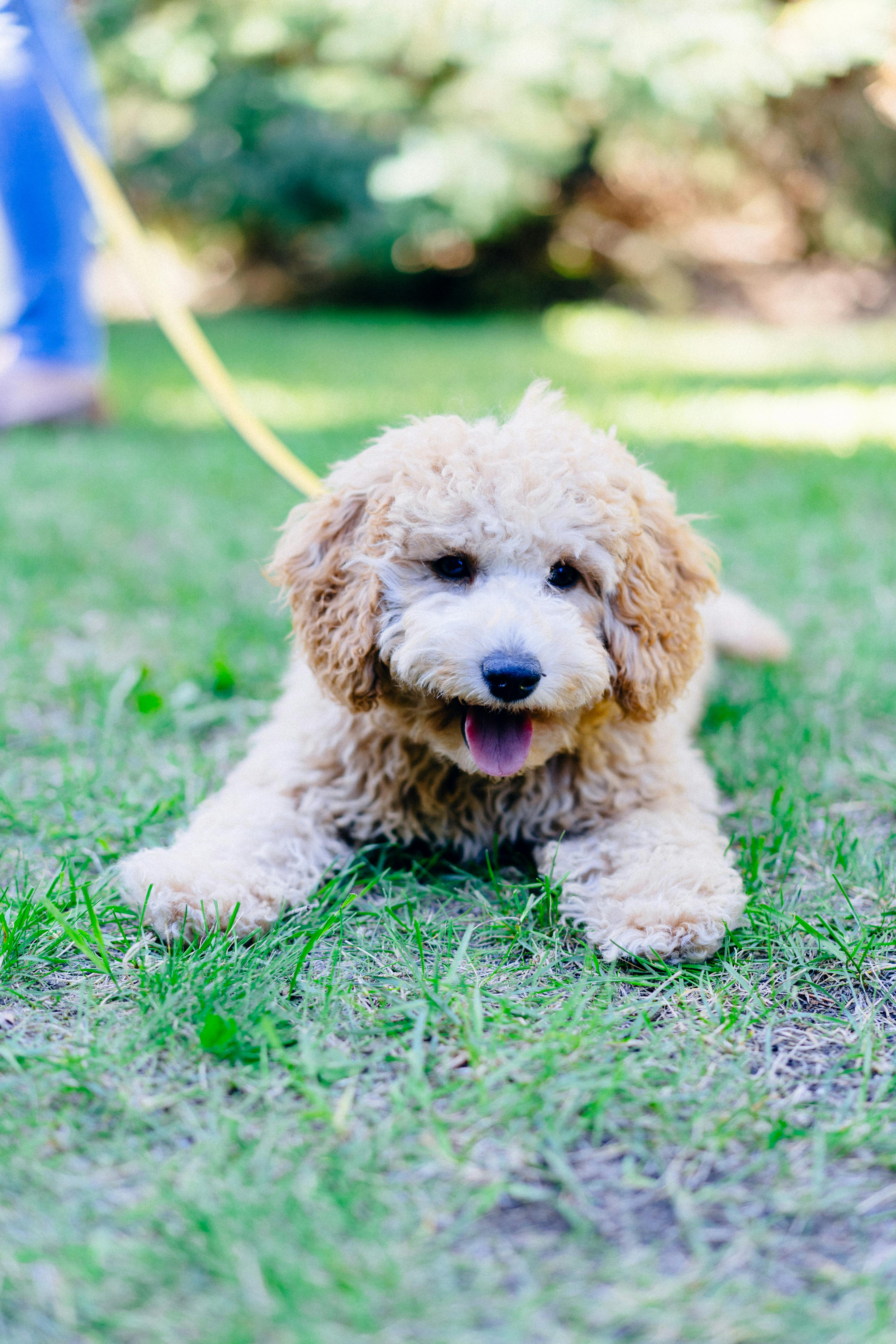
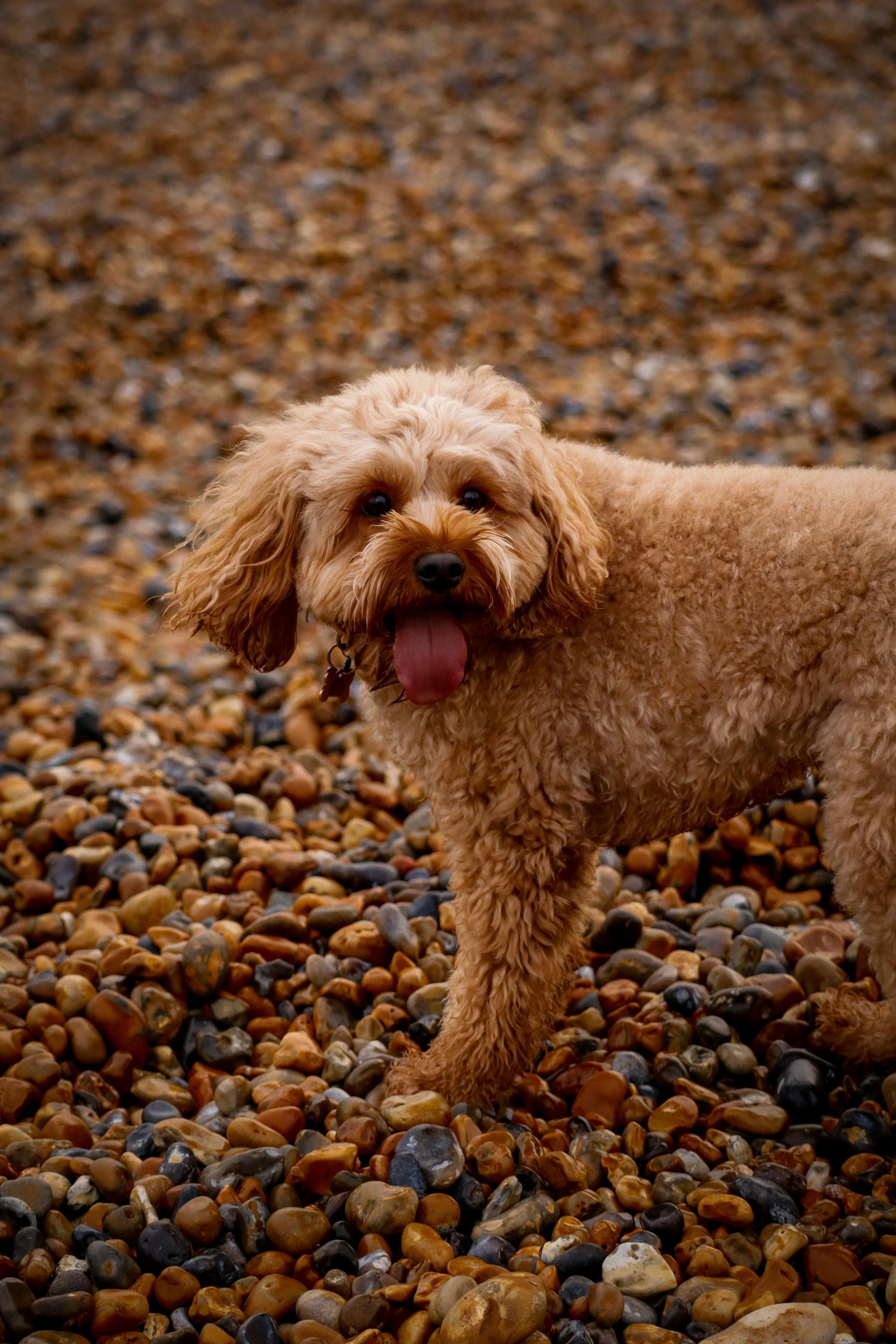
The Goldendoodle is one of the most recognizable doodle dog breeds in the United States. It combines the social appeal of the Golden Retriever with the curl and trainability associated with the Poodle. Families often love Goldendoodles because they can be upbeat, affectionate, and photogenic, but they are not automatically calm or easy. Many need plenty of exercise, structured training, and serious brushing. The mini Goldendoodle, also searched as Goldendoodle mini, is especially popular with households that want the same vibe in a smaller size.
Labradoodle
Labradoodles helped define the modern doodle movement. People were drawn to the mix of Labrador friendliness and Poodle intelligence. In the right home, they can be lively, eager, social dogs. In the wrong home, they may become under-stimulated, overexcited, or difficult to manage because both parent breeds can bring energy and enthusiasm in abundance.
Cockapoo and Cavapoo
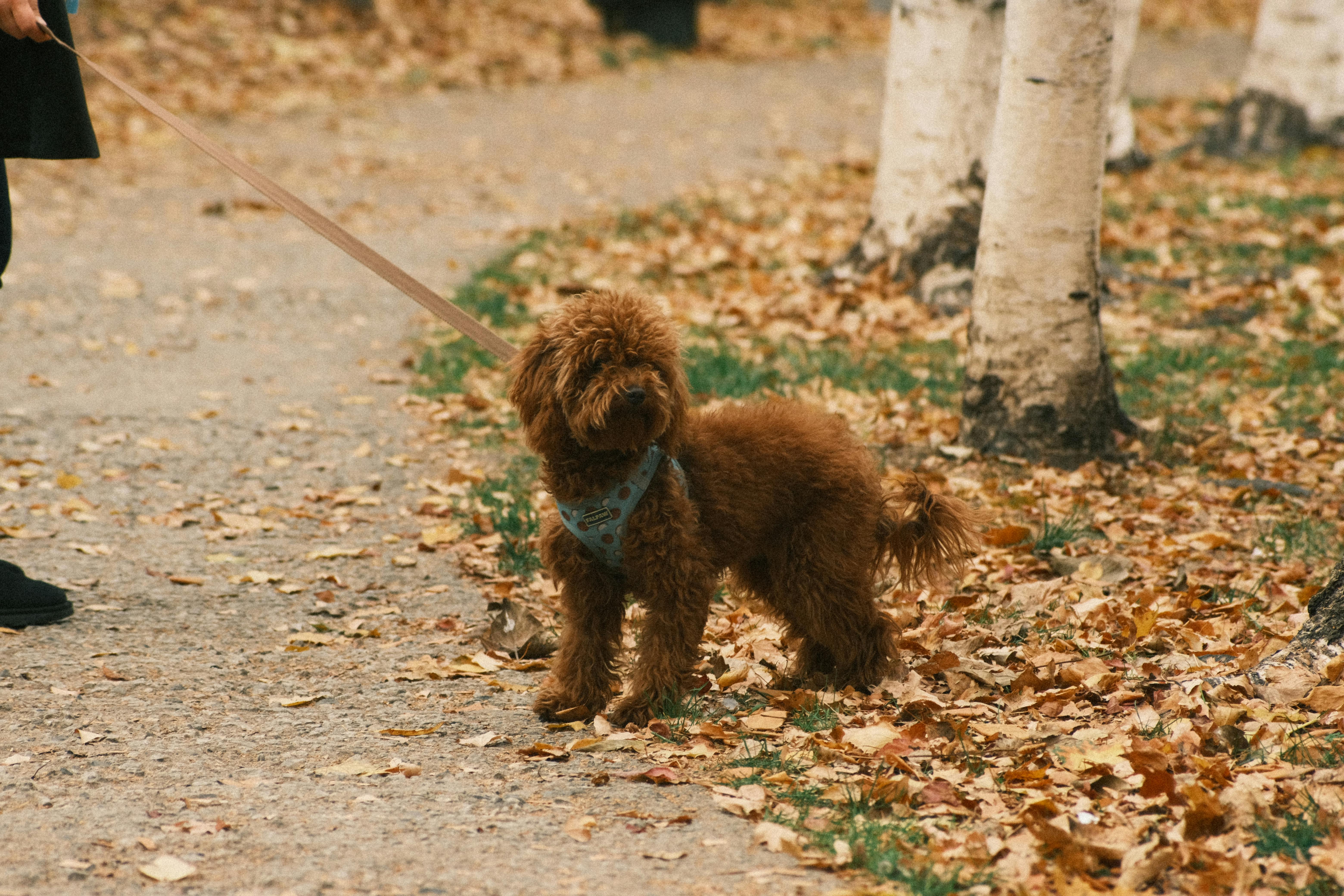
These smaller doodle breeds often appeal to people looking for family-friendly doodle breeds that fit apartment or townhouse life more easily. Cockapoos are often cheerful and active, while Cavapoos are frequently marketed as gentle and cuddly. Both can be lovely companions, but coat care, dental care, and alone-time training still matter.
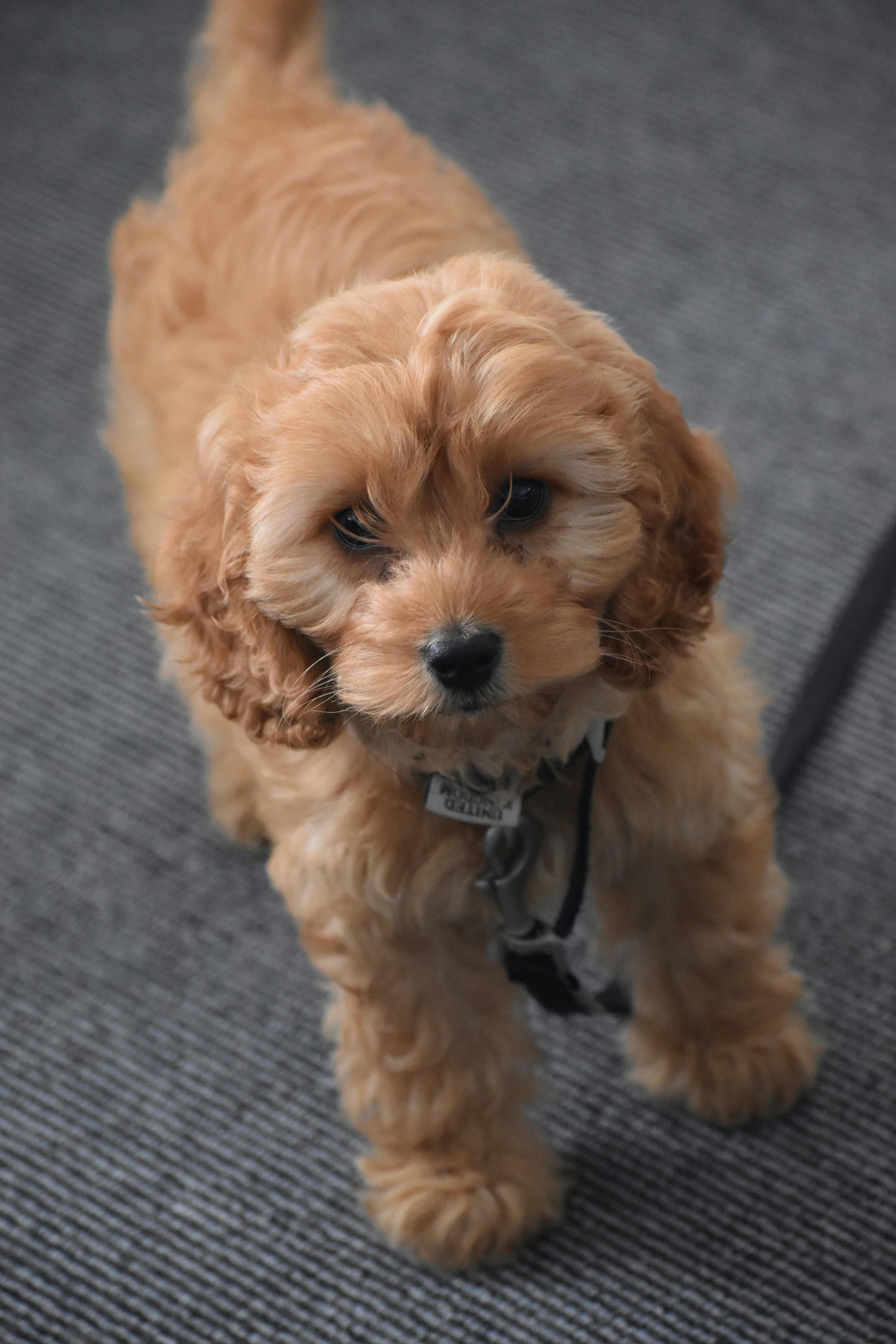

Bernedoodle, Sheepadoodle, and Maltipoo
Bernedoodles and Sheepadoodles tend to attract families who want a larger, extra-fluffy doodle dog with a soft expression. Maltipoos sit at the other end as compact companion dogs with strong cuddle appeal. As always, the coat, size, and temperament can vary a lot within a single mix category, so meeting parents, understanding history, or learning the rescue dog’s actual traits is more useful than trusting a trend label.

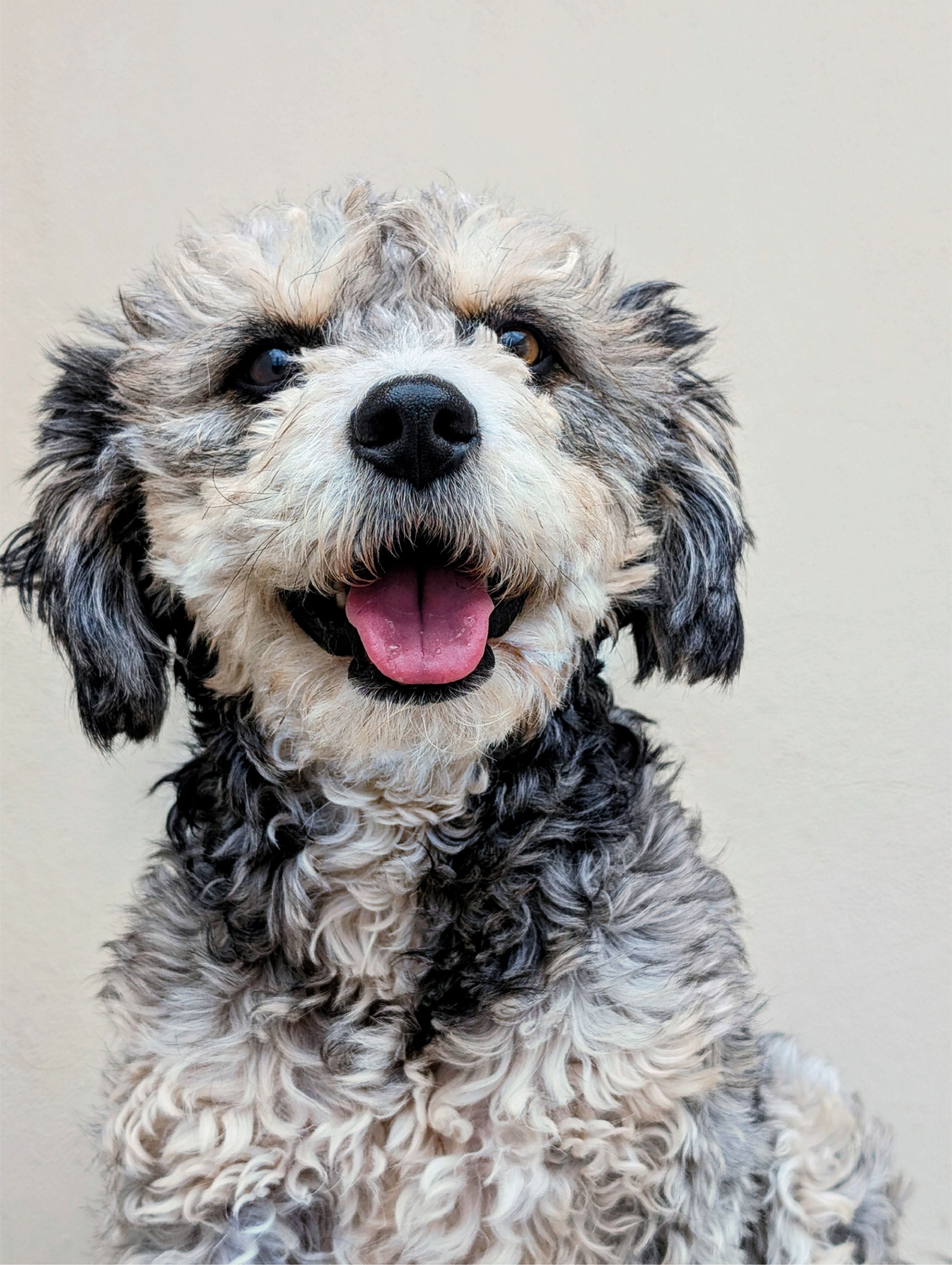

Mini Doodles and the Mini Goldendoodle Boom
The surge in mini doodle dog popularity makes sense. Many people want a dog that looks family-friendly and plush but is easier to lift, groom on a table, fit into a car, or manage in a smaller home. That is why the mini Goldendoodle became such a headline favorite. It delivers the visual story people want: soft face, curly or wavy coat, playful energy, and a size that seems more flexible than a large retriever mix.
But small doodle breeds come with their own tradeoffs. Smaller bodies can mean more dental maintenance, more fragile handling needs, and sometimes more vocal or clingy behavior if training is skipped. People sometimes ask for the best poodle mix for apartments, and the truth is that size is only one variable. Barking, sensitivity, exercise needs, and the ability to settle alone matter just as much.
Are Doodles Really Hypoallergenic?
This is one of the most searched questions in the entire doodle category, and the most honest answer is no, not in any guaranteed sense. Some doodles shed less than other dogs, and some individual people react better to certain coats. But “hypoallergenic” is often used too casually. Allergies are influenced by dander, saliva, skin particles, and individual sensitivity, not just visible shedding.
A Poodle mix may inherit a coat that releases less loose hair into the home, which can help some families. But because doodles are mixed dogs, coat outcomes are not perfectly predictable. One puppy may have a tighter Poodle-like coat, another may have a looser or more shedding coat, and another may land somewhere in the middle. Anyone with significant allergies should spend real time around the individual dog, talk to their doctor if needed, and avoid believing blanket guarantees.
Simple rule: low shedding does not equal allergy-proof, and a doodle should never be sold as a medical certainty.
Why Poodles and Doodles Are So Popular in the USA and Worldwide
In the USA, Poodles and doodle dogs sit at the intersection of practicality and image. People love dogs that seem smart, stylish, family-friendly, and adaptable. A Poodle checks many of those boxes on its own. Doodles add even more mass appeal by combining the Poodle with already beloved family breeds. Social media helped accelerate this because curly coats photograph beautifully, teddy-bear faces go viral easily, and “best doodle for families” became a powerful search phrase and sales story.
Around the world, the same broad appeal shows up in different forms. In cities, smaller Poodle mixes are popular because they feel manageable in tighter spaces. In suburban family settings, larger doodles gained ground because they seem gentle and wholesome. Internationally, the Poodle also continues to hold status as a classic, intelligent breed with an established reputation rather than a passing trend.
Common Health and Behavior Concerns Owners Should Watch For
- Matting and skin trouble: poor brushing habits can quickly turn into discomfort or hidden irritation.
- Ear problems: floppy ears plus trapped moisture can lead to repeated issues.
- Overarousal and jumping: friendly, smart dogs can still become unruly if impulse control is never taught.
- Separation stress: very people-focused dogs may struggle when independence practice is missing.
- Digestive or food sensitivity: some dogs do better with careful diet trials and slower food changes.
- Weight gain: fluffy coats hide body condition, so regular hands-on checks matter.
Common Mistakes Owners Make With Poodles and Doodles
The most common mistake is assuming the dog will be easy because it looks soft and friendly. That assumption causes a cascade of problems: skipped early training, delayed alone-time practice, underestimating grooming, and buying a puppy based mainly on looks. Another major mistake is choosing a doodle because it is trendy instead of because the family actually wants a highly interactive dog.
A third mistake is forgetting that curly coat dogs still need structure around touching, brushing, drying, nail trims, and ear cleaning. Grooming should start as a life skill from puppyhood, not only as a salon appointment later. And finally, owners often spend heavily on the purchase price while under-budgeting the recurring care. That imbalance creates stress for both the family and the dog.
Fun Facts and Curiosities
- The famous Poodle clip began as a working trim for water retrieval, not as a fashion joke.
- Poodles are often underestimated because elegance makes people forget how athletic they are.
- Many doodle dogs inherit a very expressive face, which helps explain their huge popularity online.
- Some of the most in-demand doodle breeds are mini versions because families want a teddy-bear look in a smaller body.
- Curly coat dogs can leave less hair around the home while still being some of the highest-maintenance dogs to groom.
Video idea: use this space for a visual walkthrough comparing Standard Poodles, mini doodles, grooming routines, family fit, and realistic ownership costs.
Practical Checklist for Future Owners
- Decide whether you truly want a smart, interactive dog rather than only a cute curly coat.
- Budget for professional grooming before you bring the dog home.
- Ask about health testing, temperament, and coat expectations instead of focusing only on color or fluffiness.
- Start grooming tolerance and alone-time practice early.
- Match size to lifestyle, not just to aesthetics. A mini doodle dog is not automatically easier in every way.
- Use food, training, exercise, and enrichment as everyday care pillars.
- Choose adoption, rescue, or breeder sources with honesty and long-term welfare in mind.
More Reading
These guides pair well with this topic:
Final Thoughts
The Poodle has earned its reputation. It is not simply fancy. It is one of the most capable, observant, and adaptable dog breeds ever developed. The doodle movement grew because people recognized that value and wanted to combine it with other beloved family dogs. Sometimes that creates fantastic companions. Sometimes it creates confusion because buyers are promised simplicity where there is actually complexity.
The best approach is honesty. Poodles and doodles can be loving, funny, highly trainable, deeply attached dogs. They can also be expensive, sensitive, grooming-heavy, and a little too clever for inconsistent homes. If that balance still sounds appealing, that is actually a good sign. It means you are choosing the whole dog, not just the sales pitch.