Cats are masters of communication — just not in the ways humans tend to expect. While a dog announces its emotional state loudly and with its whole body, a cat sends constant, precise signals through ear angle, tail position, pupil size, body tension, and the deliberate rhythm of its blinks. These signals are not random. They are a language. And once you start learning it, the cat that once seemed mysterious, moody, or unpredictable becomes one of the clearest communicators in your home.
The biggest misunderstanding most cat owners carry is that cats are emotionally distant or fundamentally unknowable. That is not the reality. Cats form genuine bonds, experience real emotions, and express consistent preferences about how they want to be handled, when they want contact, and what makes them feel safe or threatened. The gap between an owner who feels like they do not understand their cat and one who feels deeply connected to it is almost always a gap in knowledge — not a gap in the cat's willingness to communicate.
This guide covers the complete picture: how to read body language with confidence, why cats behave the way they do, how to recognize personality types, what your cat is actually saying when it meows or chirps or kneads, how to build trust that lasts, and what common misunderstandings cause unnecessary friction between cats and their owners.
A simple trust builder: sit nearby, avoid forcing contact, and offer slow blinks. Cats respond surprisingly well to calm, predictable energy — and that response compounds over time into something genuinely close.
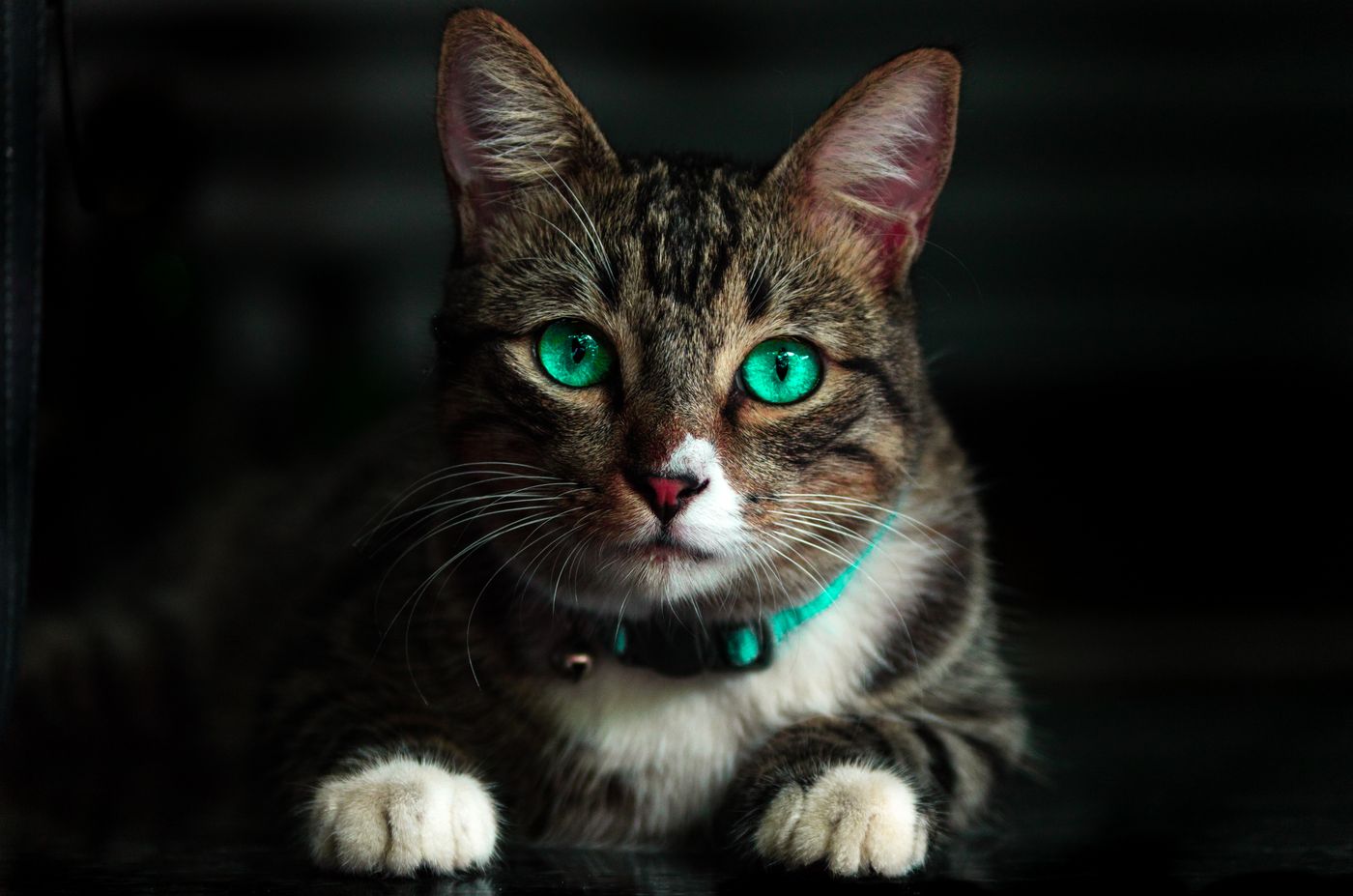
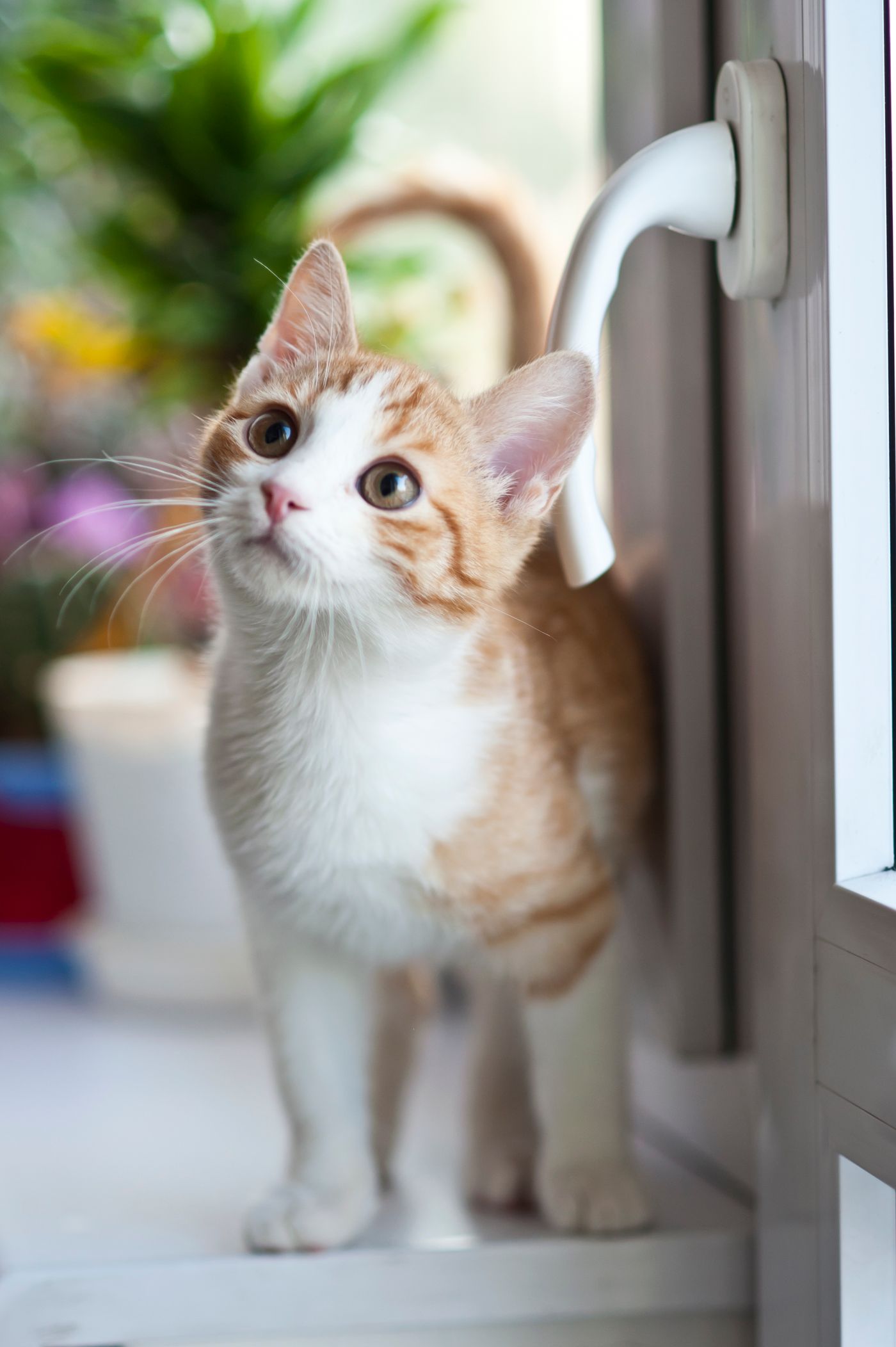
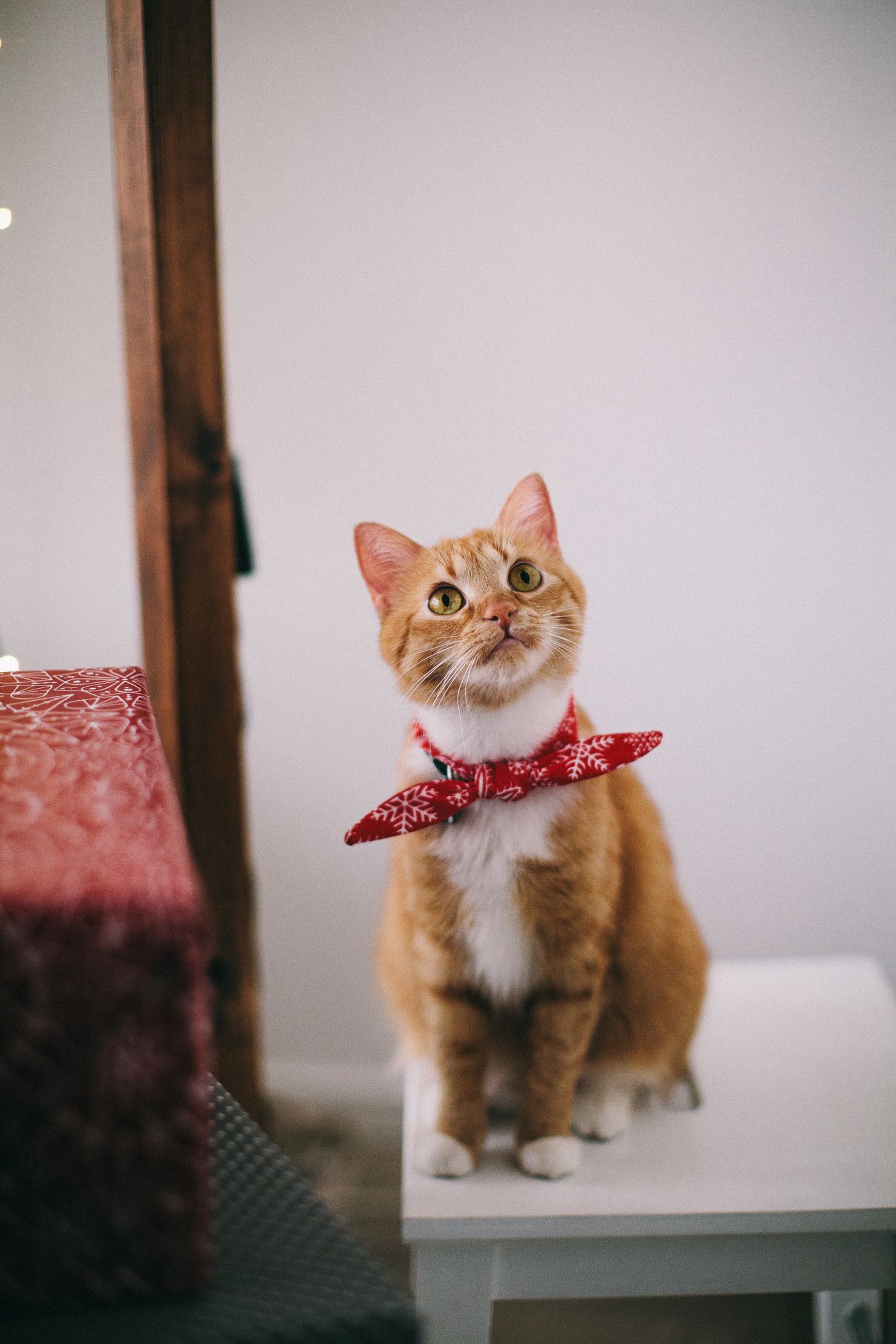
Swipe Gallery: Cats of Different Types — Reading Their Signals

Reading Your Cat's Body Language
Body language is the foundation of cat communication. Every part of the body contributes to the message: tail position, ear angle, eye shape, body tension, whisker spread, and overall posture all combine into a signal that changes moment to moment. Once you learn to read multiple signals together rather than one at a time, cat behavior becomes remarkably transparent.
What the Tail Tells You
The tail is often the most expressive and easiest-to-read part of a cat's body language. A tail held straight up, sometimes with a slight curl at the tip, signals confidence and friendliness — this is often called the “flagpole greeting” and is one of the clearest positive signals a cat can send. A tail carried low or tucked between the legs signals submission, anxiety, or discomfort. A tail held out stiffly behind the body often indicates alertness or mild tension. A slowly flicking tail tip suggests mild irritation or focus. A rapidly lashing tail — large, forceful sweeps from side to side — is a strong warning that the cat is overstimulated, frustrated, or about to act. A fully puffed tail means genuine fear or intense arousal and should always be respected.
What Ear Position Reveals
Ears that face forward and stand tall signal curiosity, interest, and calm engagement. Ears that swivel sideways into a flattened, horizontal position — often called “airplane ears” — indicate growing discomfort, annoyance, or uncertainty. This is a clear sign to give the cat space before the situation escalates further. Ears pinned tightly flat against the skull signal fear, defense, or active aggression. If a cat's ears are flat and its body is tense, it is communicating clearly that it does not feel safe.
Eyes as Emotional Windows
Slow blinking is one of the most studied and reliable cat trust signals. When a cat looks at you and blinks slowly — allowing its eyes to close partway and reopen without urgency — it is offering a direct signal of comfort and trust. You can respond with a slow blink of your own; many cats will return it. Dilated pupils can mean excitement, playful arousal, fear, or simply low light — context determines which. Half-closed eyes in a relaxed posture mean deep contentment. A hard, wide, fixed stare is a challenge or a warning.
Body Posture at a Glance
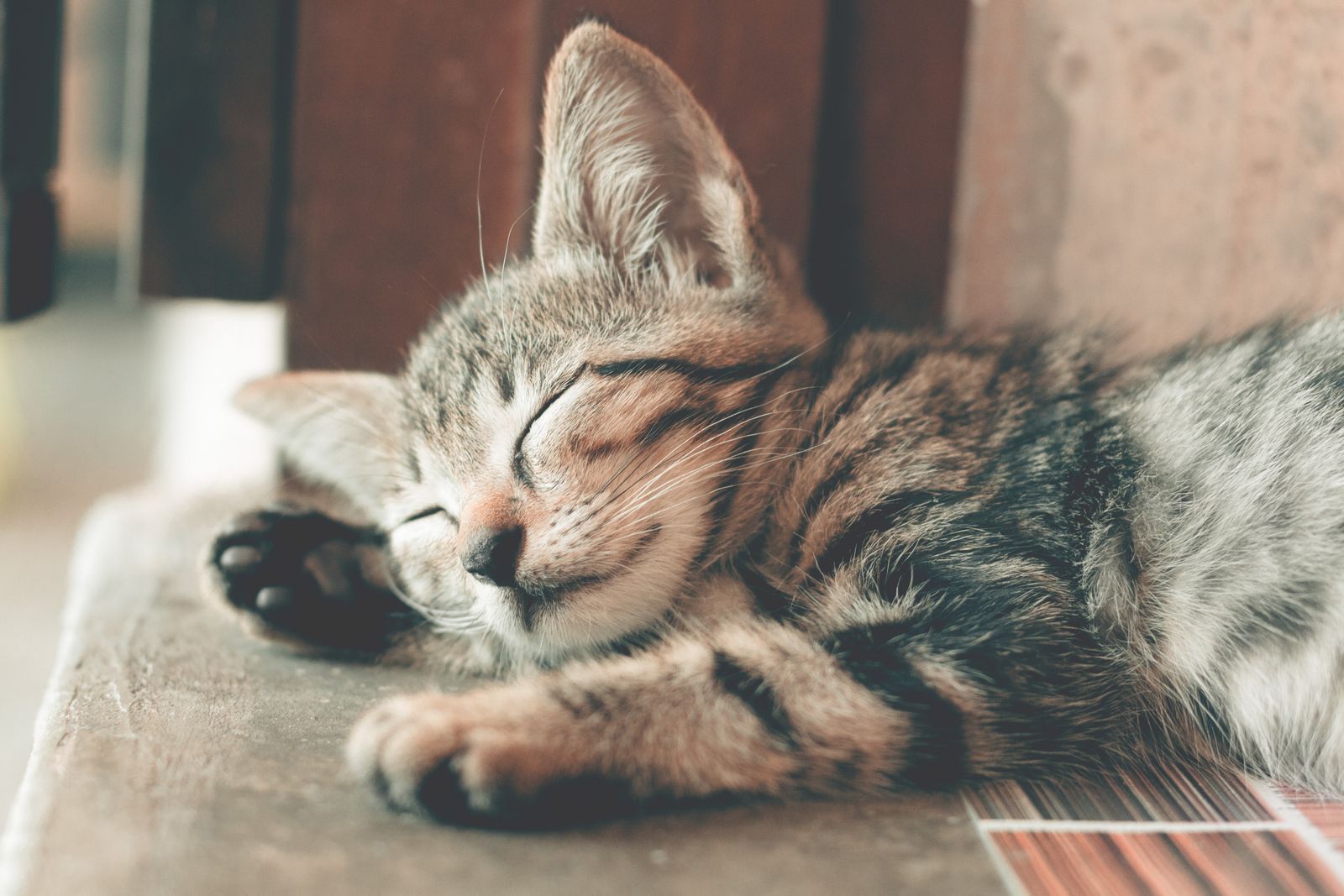
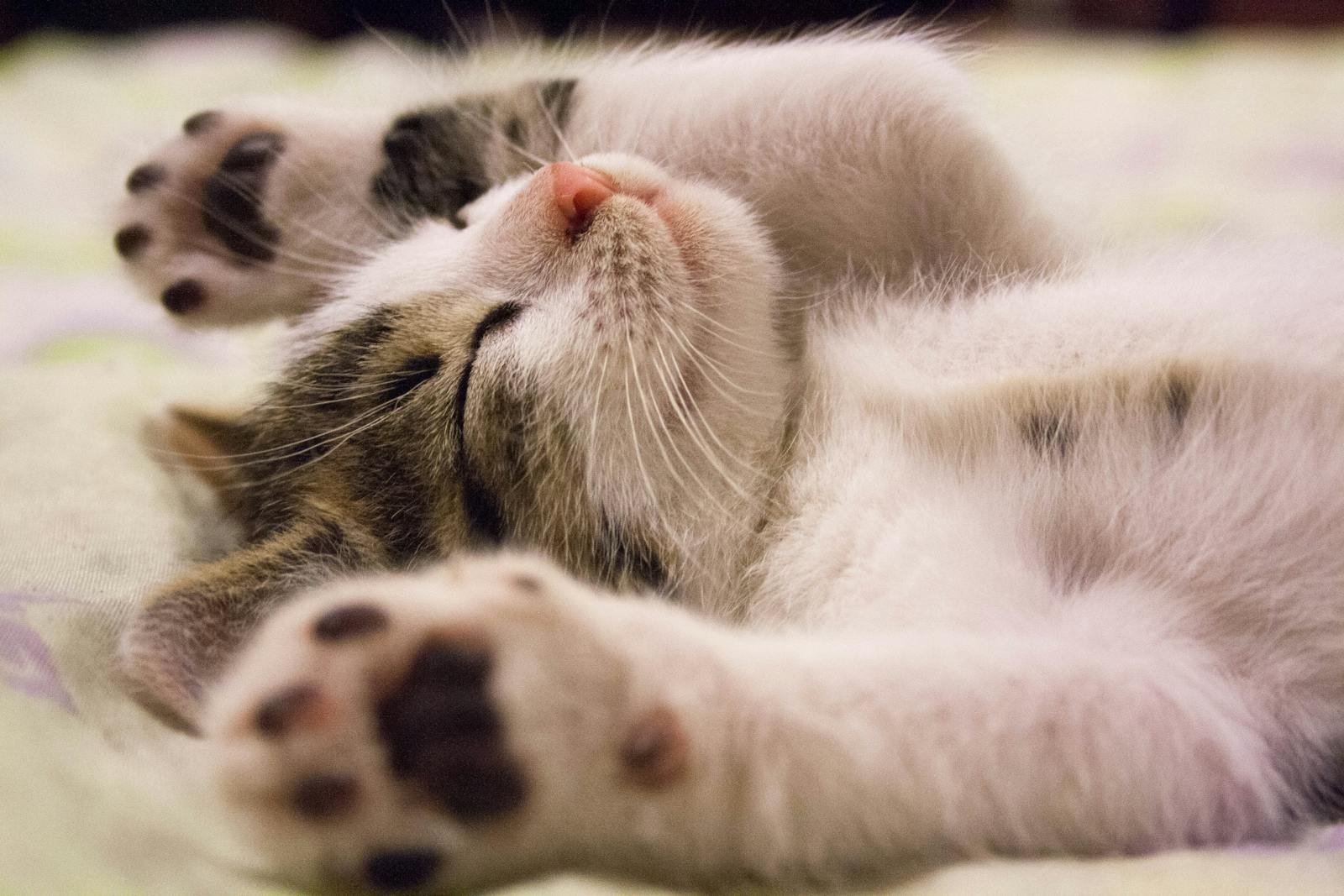
A loose, relaxed body with no visible muscle tension is the baseline of a comfortable cat. The classic “loaf” position — paws tucked under the body, settled evenly — is deeply safe and content. Rolling over to expose the belly is a significant trust display but is not necessarily an invitation to touch the belly — many cats find direct belly contact highly overstimulating and will bite in response. A crouched body with wide eyes and tucked limbs indicates fear or defensive readiness. An arched back with puffed fur signals alarm.
Quick body language reference:
- Tail straight up: confident and friendly — open to greeting
- Slow blink: trust signal — blink slowly back to respond
- Ears forward: curious and engaged
- Airplane ears: mildly annoyed or uncomfortable — give space now
- Ears flat: fearful or actively defensive — back off immediately
- Tail lashing: overstimulated or frustrated — stop what you are doing
- Loaf position: content and fully at ease
- Crouched low: stressed, uncertain, or trying to go unnoticed
- Rolling over: trust display, not always a belly rub invitation
- Puffed tail or fur: genuinely alarmed — do not approach
Why Cats Behave the Way They Do
Cats occupy an unusual evolutionary position: they are skilled predators — fast, precise, and built for hunting — but they are also prey-sized animals. That dual reality explains more about cat behavior than almost anything else. Cats are wired to be constantly aware of their environment, to secure escape routes before committing to any position, and to respond to surprises with speed rather than calm assessment. When a cat freezes at an unexpected sound, hides after a houseguest arrives, or refuses to settle in a room that was just rearranged, it is not being dramatic. It is doing exactly what its nervous system was built to do.
This also explains why cats value predictability so deeply. In a stable environment with reliable routines, a cat's nervous system can relax. When the environment becomes unpredictable — new furniture, new people, new smells, or changes to the feeding schedule — the cat's threat-monitoring system goes back online. Territorial instincts layer onto this too. Cats do not share space casually the way pack animals do. They claim areas, scent-mark them, and treat intrusion as a genuine concern. This is why introducing new pets requires patient, gradual adjustment rather than an immediate forced reset.
Why this matters: behavior is almost always communication. A cat that hides, bites, scratches, or vocalizes excessively is not misbehaving — it is reporting something about its environment, its health, or its emotional state. Learning to read the message is almost always more useful than trying to suppress the behavior.
Understanding Cat Personality Types
No two cats have identical personalities, but most fall into recognizable patterns that shape how they bond with owners, respond to their environment, and handle stress. Understanding which type your cat leans toward helps you match your approach to what actually works for that specific individual rather than defaulting to a one-size-fits-all method.
The Social Cat
Openly affectionate from early on — greets people at the door, enjoys being held, and seeks physical contact frequently. These cats thrive on interaction and can develop real anxiety without enough daily engagement. The main challenge is teaching them to settle independently to prevent separation anxiety.
The Independent Cat
Self-sufficient and deliberate about contact. Independent cats prefer interaction strictly on their own terms and may sit nearby for long periods without requesting touch. These cats thrive when their chosen quiet spots are respected and their personal space is treated as a given rather than an obstacle to overcome.
The Shy or Anxious Cat
Requires more patience and more careful environmental management. Needs additional hiding options, fewer sudden changes, and longer trust-building timelines. Forcing interaction before trust is established sets bonding back significantly. These cats often become deeply attached to patient owners given enough time and consistency.
The Territorial Cat
Takes its role as environmental manager seriously. May resource-guard, challenge other cats, or react strongly to new animals or household changes. These cats need clear, stable boundaries and an environment where they feel securely in charge of their established territory without ongoing competition or disruption.

How Cats Communicate With Their Humans
Cats are significantly more vocal with humans than with other cats. In the wild, adult cats rarely meow at each other — meowing is primarily a communication strategy cats developed specifically in relationship with humans. This means the full range of vocalizations your cat uses with you represents a customized language it has built around your responses over time.
Meowing
Every meow is contextual. A short, chirped meow is typically a greeting. A long, drawn-out meow usually signals a demand. Repeated short meows indicate urgency around food, discomfort, or attention. Cats adjust the pitch, length, and urgency of meows based on how their human has responded in the past — which means your cat's meow vocabulary is genuinely specific to you and your household's patterns.
Purring
Purring is one of the most misread cat signals. While it often signals contentment, it also occurs when a cat is anxious, in pain, recovering from illness, or actively self-soothing during stress. The key markers are always posture and context: a relaxed cat with a loose body and half-closed eyes purring while settled is almost certainly comfortable. A tense cat with flattened ears purring in a high-stress situation is using purring as a regulatory tool, not expressing happiness.
Chirps, Trills, and Chattering
Trilling — a rising, birdlike vocalization — is typically warm and affectionate. Mothers use it to communicate with kittens, and cats often carry the behavior into adult life with bonded humans. When a cat trills at you, it is almost always a genuinely positive greeting. Chattering — the rapid jaw movement cats make at birds through a window — reflects predatory arousal combined with mild frustration. It is harmless, natural, and actually a healthy sign of engagement.
Physical Communication: Bunting and Kneading
Head butting (bunting) deposits scent from glands on the head and is a clear mark of affection and social ownership. When your cat rubs its face against you, it is claiming you in the most feline sense of the word. Kneading — the rhythmic pushing motion on soft surfaces — traces to nursing behavior and almost always indicates deep comfort and contentment. A cat that kneads on you is expressing one of the most genuine forms of feline trust available.
How to Build Trust Faster
Trust with cats is built through consistency and restraint — not through persistence or enthusiasm. The most common mistake is pushing interaction before the cat is ready, which reliably slows the bonding timeline. The fastest path to a trusting cat is a surprisingly quiet one.
Let the Cat Approach First
Some cats are social right away. Others need more time — sometimes weeks or months. Sitting nearby at floor level, speaking softly, and letting the cat make the first physical move often works far faster than repeatedly reaching out. Each time the cat approaches on its own terms, it is practicing a decision that reinforces the positive association with your presence.
Keep Routines Steady
Routine creates emotional safety for cats. Consistent feeding times, predictable litter box placement, regular play windows, and stable quiet areas all help reduce the background level of stress in a cat's daily life. A cat that knows what to expect throughout the day has lower ambient anxiety and more capacity for positive social interaction.
Use Play as Communication
Interactive play is one of the fastest trust-building tools available. It gives cats an appropriate outlet for stalking, chasing, and pouncing instincts while creating a consistent positive association with your presence. Five to ten minutes of engaged wand-toy play once or twice a day can improve behavior, reduce boredom, and accelerate bonding far beyond what most owners expect.
The slow blink: look at your cat with a relaxed face, then blink slowly and let your eyes stay partially closed for a moment before reopening. Many cats return the slow blink. It is a remarkably direct trust signal that costs nothing and works even with cats that are not yet comfortable with any physical contact.
Emotional Bonding: What It Actually Looks Like
The bond a cat forms with its owner is real, measurable, and often deeper than casual observers assume. Research has shown that cats distinguish their owner's voice from strangers', respond differently to their owner's emotional state, and display attachment behaviors that parallel human infant-caregiver bonding — including seeking proximity during stress and using the owner as a “safe base” for exploration.
A bonded cat is often subtle about it. It may follow you to different rooms without requesting contact, position itself near you while you work, greet you after absence with a raised tail and brief chirp, or choose to sleep in spots associated with your scent. It may show vulnerability in your presence — sleeping exposed, rolling over, or accepting handling that it refuses from strangers. These are all expressions of the same underlying trust.
Why some cats seem emotionally distant is usually less about capacity and more about history or current environment. A cat that was not socialized with humans early, lived through instability, or is currently stressed by its environment may withhold connection not because it cannot bond but because it does not feel safe enough yet. Building that bond requires patience, consistency, and the consistent absence of pressure.

Common Cat Behaviors and What They Actually Mean
Why Does My Cat Follow Me Everywhere?
Some cats develop strong social bonds with one primary person and express that bond through proximity. Following may mean affection, routine expectation (you are the source of meals and activity), curiosity, or simply preference for the room you are currently in. If the behavior is calm rather than anxious, it is almost always a sign of healthy attachment rather than a problem requiring correction.
Why Does My Cat Scratch the Furniture?
Scratching is a biological necessity, not misbehavior. Cats scratch to stretch the full length of their spine, remove the outer claw sheath in a process called stropping, and leave both visual and scent marks in their territory. Punishment suppresses the behavior temporarily but damages trust without eliminating the drive. Providing appropriate scratching surfaces near the spots already being used is reliably more effective than any corrective approach.
Why Does My Cat Bite During Petting?
Petting-induced aggression is one of the most misunderstood cat behaviors. Most cats enjoy physical contact but have a threshold — a limit on how much stimulation they can comfortably process before needing a break. Before biting, most cats signal clearly: skin twitching, tail flicking, head turning slightly away, or ears shifting backward. Learning to pause when these signals appear eliminates most petting-related bites. The cat is not “attacking out of nowhere” — it has almost always given multiple warnings that were missed.
Why Does My Cat Hide?
Hiding is a coping strategy, not antisocial behavior. New people, loud sounds, routine changes, underlying pain, or general shyness can all lead a cat to retreat to a preferred hiding spot. A cat with no safe hiding places available has nowhere to go when stressed and may become more reactive as a result. Providing good hiding options throughout the home actually reduces the overall amount of hiding behavior over time by reducing baseline stress.
Why Does My Cat Knead on Soft Surfaces?
Kneading traces directly to kittenhood nursing behavior and is almost universally a sign of deep comfort and contentment. Cats that knead frequently on you, blankets, or soft furniture are in a relaxed, emotionally positive state. It may sometimes feel uncomfortable but is always meant as a compliment.
Why Does My Cat Chatter at Birds Through the Window?
The rapid jaw-clicking movement cats make while watching birds or squirrels outside reflects predatory arousal combined with mild frustration at being unable to reach the target. It is completely harmless and is actually a healthy indicator that your cat is alert, stimulated, and mentally engaged with its environment.
Common Misunderstandings About Cats
Several widespread beliefs about cats create unnecessary frustration for owners and set unrealistic expectations for what cat behavior actually means. Clearing these up often immediately improves the relationship.
“Cats are aloof and don't need affection”
This is the most persistent myth in cat ownership. Studies show cats exhibit genuine stress during separation from bonded owners and measurable relief upon reunion. Cats express affection differently than dogs — but the need is no less real. Selective timing of contact is social intelligence, not emotional absence.
“Showing the belly is an invitation”
A cat rolling over to expose its belly is displaying enormous trust and relaxation. It is not necessarily inviting belly touch. Many cats find direct belly contact highly overstimulating and bite in reflex response. Reading the full body response before reaching in always produces better outcomes than assuming access is granted.
“Purring always means a happy cat”
Purring is a self-regulation tool, not a pure happiness signal. Cats purr during contentment but also during anxiety, illness, injury, and even at the end of life. The posture and context surrounding the purr — ear position, body tension, appetite — are what determine what it actually communicates in any given moment.
“Cats are low-maintenance emotionally”
Cats have genuine emotional needs that vary by personality, history, and environment. Social isolation, chronic boredom, and environmental instability create real anxiety and behavioral problems in cats — especially in those accustomed to regular, consistent interaction. “Low-maintenance” describes independence of spirit, not emotional simplicity.
Important: if your cat suddenly changes behavior — stops using the litter box, hides significantly more than usual, becomes unexpectedly aggressive, stops eating, or shows sudden lethargy — do not assume it is purely behavioral. Many medical conditions present first as behavior changes. A veterinary check should always be part of the response to sudden, unexplained behavioral shifts.
Stress Signals You Should Not Ignore
Cats often show stress in subtle ways long before behavior becomes dramatic. By the time a cat is obviously reactive or withdrawn, it has usually been signaling discomfort for a while. Learning to recognize early stress signals lets you intervene before problems compound into something harder to address.
- Hiding more than usual — especially in spots the cat does not normally choose
- Changes in litter box habits — going outside the box, straining, or avoiding it entirely
- Overgrooming or bald patches — a sign of anxiety-driven self-soothing
- Reduced appetite or sudden food selectivity that is out of character for that individual
- Increased vocalization at odd times — especially at night or when left alone
- Unusual aggression or defensiveness toward people or other animals in the home
- Pacing or restlessness without a clear environmental trigger
- Becoming unusually clingy or unusually withdrawn from established normal patterns
Environmental changes are the most common trigger: new people or animals, moved furniture, construction noise, schedule changes, or a recent home move. If stress signals appear without an obvious environmental cause, a veterinary check is the right first step to rule out underlying medical reasons before addressing behavior.
Practical Ways to Make Your Cat Feel Safer at Home
Sometimes cat behavior improves not because the cat learned a lesson but because the home environment finally started meeting its actual needs. Most of what matters is not expensive or complicated. A few thoughtful changes go a long way, and many cost nothing at all.
- Add vertical space — a cat tree, wall-mounted shelves, or cleared high windowsills. Cats feel safest at height and use elevation to observe without feeling exposed.
- Provide hiding options throughout the home, not just in one corner. A cardboard box, covered bed, or shelf nook in multiple rooms means the cat always has a retreat available wherever stress finds it.
- Place scratching posts near current scratching targets, not in out-of-the-way locations where the territory-marking message does not get delivered.
- Keep feeding and play on a consistent schedule. A cat that knows when its needs will be met is significantly calmer throughout the rest of the day.
- Ensure the litter box is clean and predictably placed. Cats avoid litter boxes that feel unsafe, dirty, or unpredictably moved, and litter box avoidance is one of the most stressful behaviors to address after the fact.
- Create at least one quiet, low-traffic retreat where the cat can rest without being disturbed by household activity, children, or other pets.
When Behavior Changes Signal a Health Issue
Some behavior changes that owners attribute to personality or stubbornness are actually medical. Cats are exceptionally skilled at concealing discomfort, which means pain and illness often present as behavior changes before any physical symptom becomes obvious. Treating these as purely behavioral problems and missing the underlying medical cause is one of the most consequential mistakes cat owners make.
See your vet if you notice:
- Sudden unexplained aggression from a previously gentle cat
- Abrupt litter box avoidance, straining, or blood in urine or stool
- Significant unexplained changes in eating or drinking patterns
- Excessive vocalization in older cats, especially at night (may signal cognitive decline or thyroid issues)
- Unusual hiding combined with reduced mobility or reluctance to jump
- Flinching or reacting strongly when touched in specific areas
- Any behavior that is sharply and persistently out of character for that individual cat
Common Mistakes Owners Make
- Petting past the cat's comfort threshold and attributing the resulting bite to “sudden aggression”
- Skipping daily play and then struggling with nighttime zoomies, destructive behavior, or excessive vocalization
- Using punishment-based responses (water spray, loud noises) that damage trust without reducing the underlying behavior
- Not providing enough vertical space, which leads to chronic low-level stress in busy or multi-pet households
- Changing litter type, food brand, or feeding location suddenly without a gradual transition period
- Assuming all cats want the same frequency and style of affection
- Removing hiding spots in an effort to “force socialization” — this reliably makes cats more stressed and more withdrawn
- Rushing multi-pet introductions without the slow, scent-based steps that actually work
- Treating a behavior change as purely behavioral without ruling out a medical cause first
- Expecting the bond to deepen quickly without investing consistent, low-pressure daily time
Easy win this week: stop initiating contact and let your cat come to you entirely for three days in a row. Note whether it approaches more or less than when you initiate. Most owners are surprised to find the cat approaches more — on its own terms and on its own timeline — than they expected.
Watch This Topic in Video
Prefer a visual walkthrough? This video covers cat behavior and communication in a format that pairs well with this guide:
More Reading
These guides pair well with this topic:
Final Thought
Understanding your cat is genuinely one of the most rewarding investments you can make in that relationship. It changes the dynamic from guessing to reading — from a sense of living parallel lives in the same space to a feeling of real, ongoing communication and mutual trust. Cats notice and respond to owners who understand their signals. They become more relaxed around people who respect their thresholds, more affectionate within routines that feel reliable, and more engaged in environments that actually meet their needs.
This mostly requires slowing down, observing more carefully, and releasing some of the assumptions most people bring to cat ownership. Once you do, the cat that once seemed mysterious becomes remarkably transparent. And the relationship you once thought was one-sided becomes something much more reciprocal, quieter, and genuinely meaningful than you expected.